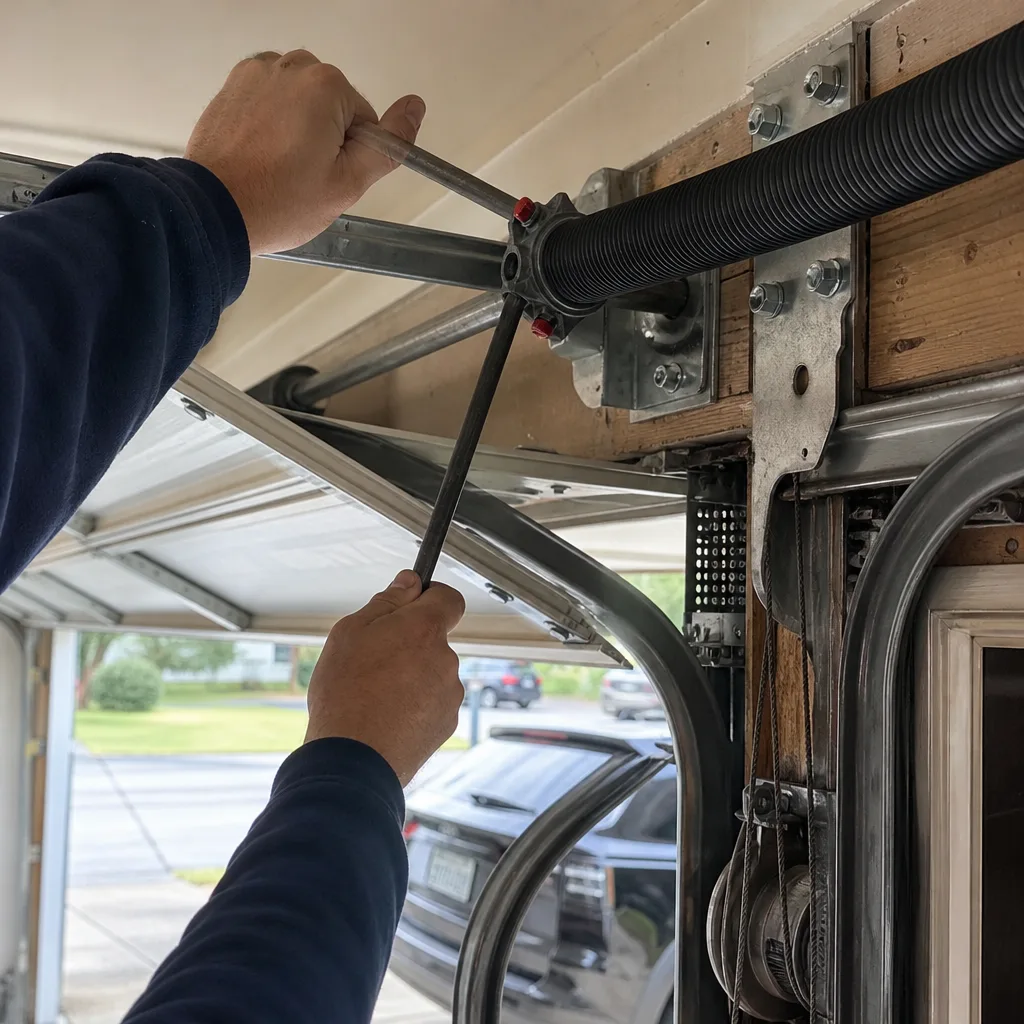
Last updated November 22, 2026
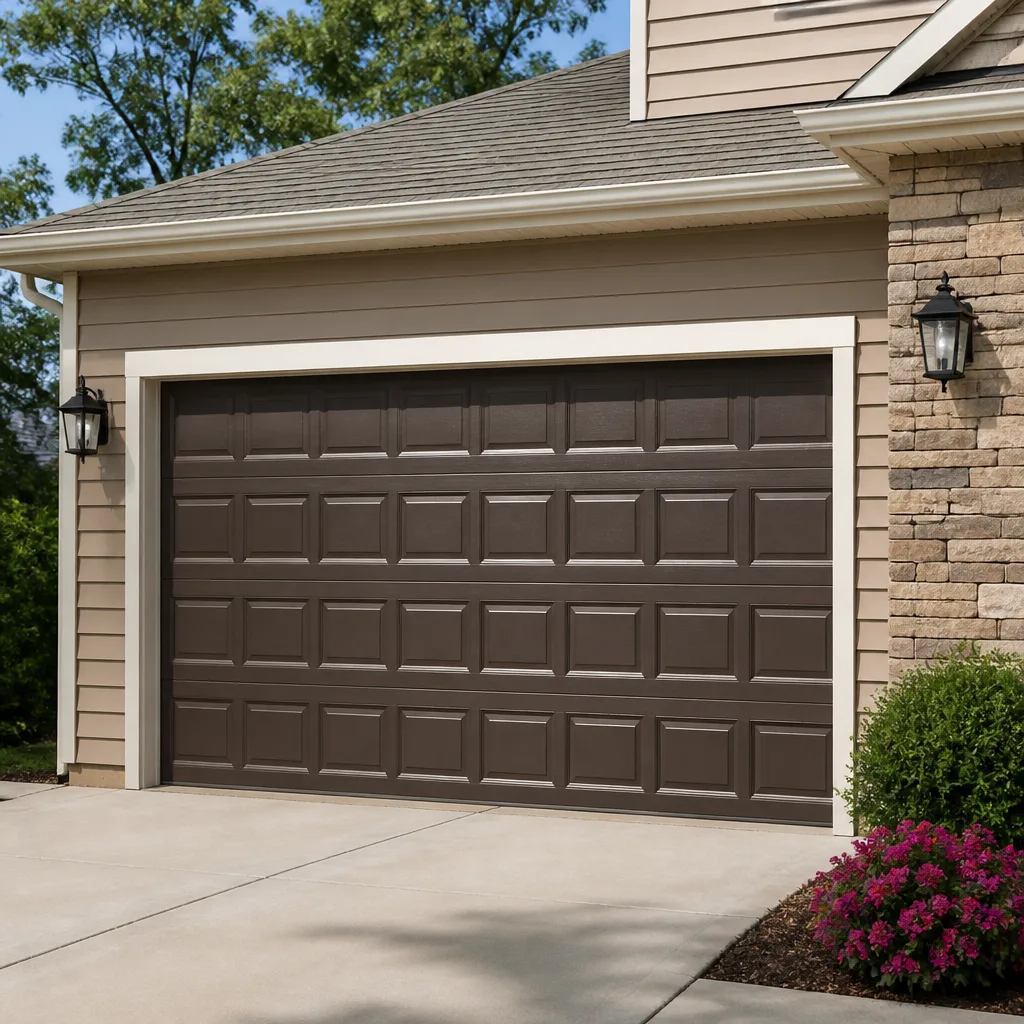 Raised-panel steel
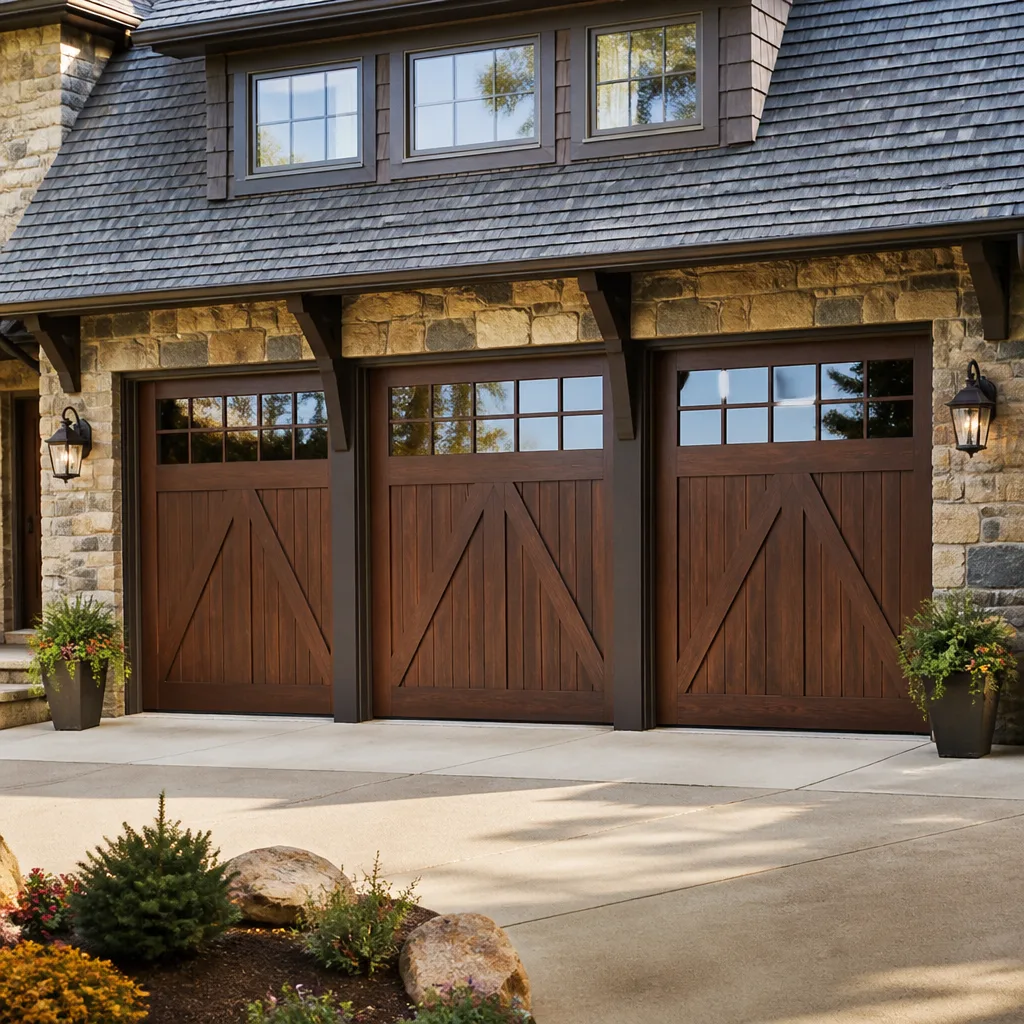 Carriage house
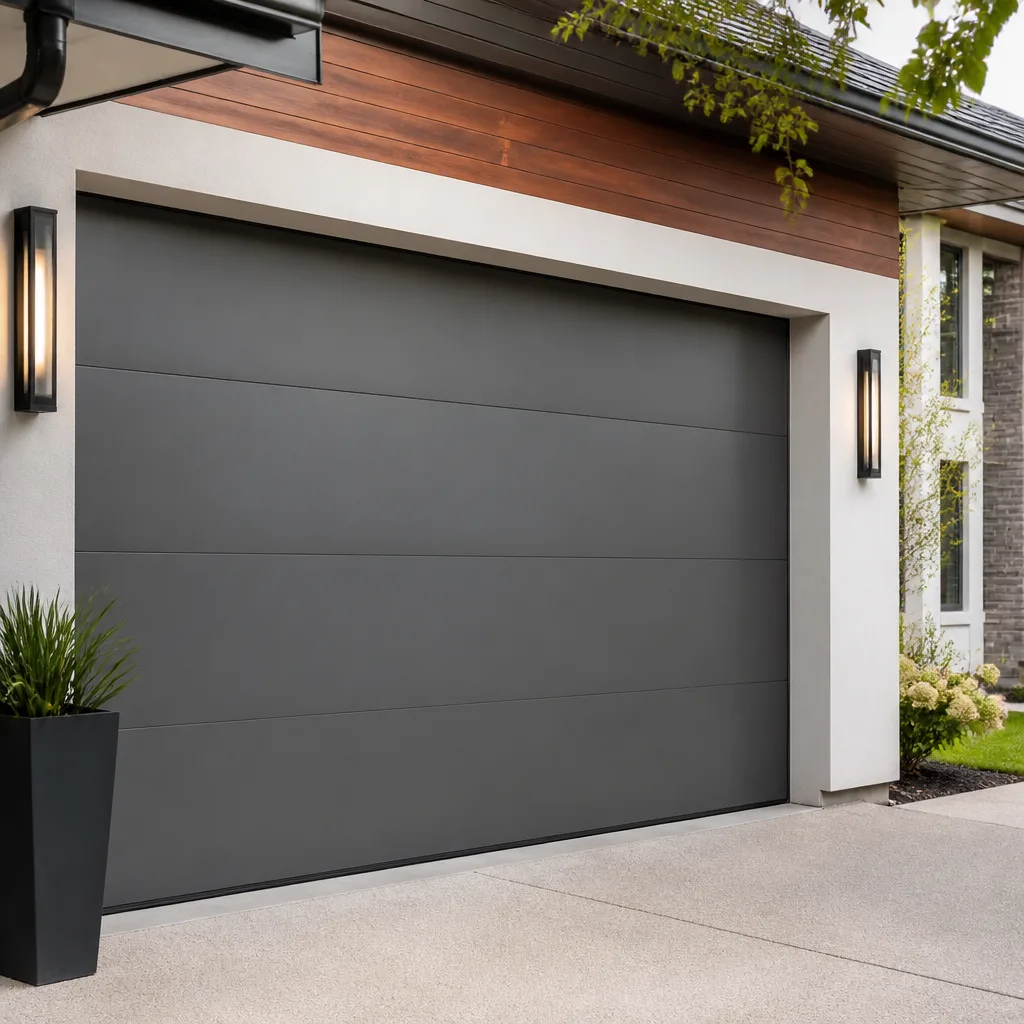 Modern flush
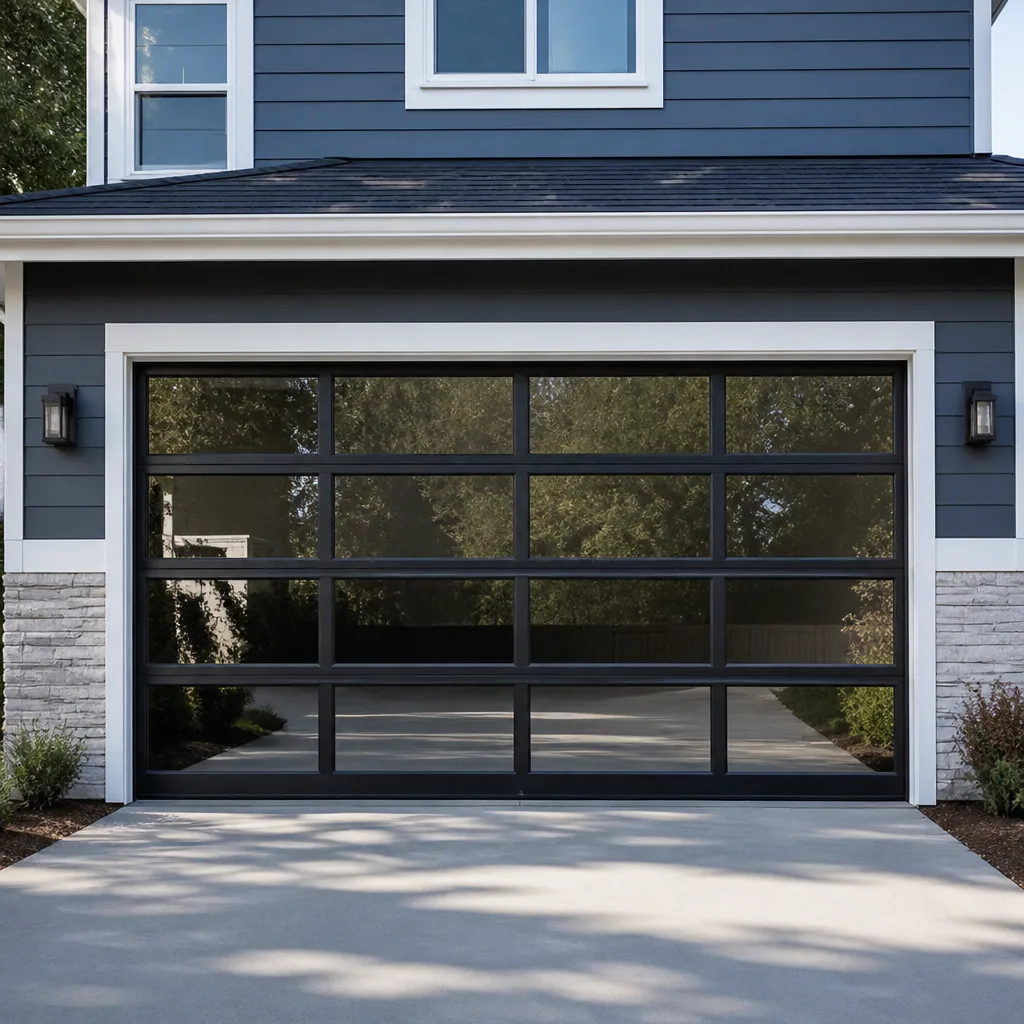 Full-view glass
 LiftMaster openers
 Chamberlain openers
Full 25-point door and opener safety check with every visit - springs, cables, rollers, tracks, and your LiftMaster or Chamberlain opener included
You get a price before we start. It does not change when the pro arrives.
Get your free estimateGarage Door Repair Maintenance Checklist for Dublin Homeowners
Most emergency garage door calls we handle in Dublin arrive within about six weeks of a seasonal extreme. The first hard freeze. The first stretch of 90-degree days. The morning after an ice storm has glazed every threshold in the neighborhood. Nearly all of those calls were preventable, and that’s the frustrating part. A garage door is a 200-plus pound machine under constant spring tension, and it gives plenty of warning before it quits. This guide builds a maintenance checklist around the moments when Dublin doors actually fail, tells you which checks are safe to do yourself, and shows you which ones to leave alone. You’ll finish knowing exactly what to look at, when to look at it, and what to log so you spot trouble while it’s still cheap.
Quick Answer
A useful garage door maintenance checklist in Dublin should be timed to the seasons rather than a generic quarterly reminder. You need a pre-winter inspection (bottom seal pliability, cold-rated lubrication, threshold gap test), a spring balance and cable check every few months, and a simple written baseline of door travel time and opener behavior so you can spot drift before it becomes a breakdown. Lubrication and sensor cleaning are safe for homeowners; spring adjustment and cable replacement are not.
Styles & brands we work with
- Raised-panel steel
- Carriage house
- Modern flush
- Full-view glass
- LiftMaster openers
- Chamberlain openers
Table of Contents
- Why a Generic Checklist Fails in Dublin
- Pre-Winter Inspection: The Six-Week Window
- The Three Mechanical Checks Technicians Do First
- How to Log a Baseline for Your Door
- What’s Safe to Do Yourself vs. What Isn’t
- Parts With Predictable Lifespans in Central Ohio
- The Summer Heat Checklist
- After an Ice Storm: What to Check
Why a Generic Checklist Fails in Dublin
A checklist that tells you to “lubricate quarterly and inspect yearly” ignores the fact that central Ohio doesn’t run on a smooth calendar. It runs on a series of hard transitions. Your garage door in Dublin goes through real freeze-thaw cycles from November to March, snowmelt tracked across a concrete apron, and summers where a west-facing garage can hit triple digits inside by mid-afternoon. Those swings do more damage than steady conditions ever would.
Cold changes the material behavior of nearly every component. Rubber seals that flex easily at 70°F turn stiff and brittle at 20°F. Grease that flows in July thickens in January, which raises the resistance the opener has to fight on every cycle. Steel contracts, and a spring that was perfectly balanced in October can feel different in February. Metal tracks are bolted to framing that moves with the seasons too, so alignment you set in spring may need a nudge by winter.
The practical result: Dublin garage doors don’t wear out evenly. They fail in clustered windows right after each transition. That’s why this checklist is organized by seasonal inflection points rather than by month. It’s also why the maintenance you do in late October matters more than anything you do in April.
One more local wrinkle. Dublin’s housing stock spans decades, from older Washington Township homes with heavy solid-wood doors to newer builds in Muirfield and Ballantrae with insulated steel and window-laden carriage-style doors. Those different door types fail in different ways, but the timing of the failures is remarkably consistent. When the temperature drops, we hear from all of them at once.
Pre-Winter Inspection: The Six-Week Window
If you do only one thing from this guide, do the pre-winter inspection. Schedule it in the six weeks before the first forecast freeze, which in Dublin usually means mid-October through late November. This is the inspection that prevents the winter morning call, and it comes down to three specific items most homeowners never think about.
- Test bottom seal pliability. Press the rubber seal along the bottom edge with your thumb. At room temperature it should spring back quickly. If it feels hard, cracked, or takes a set where you pressed it, the seal won’t compress against the floor when temperatures drop into the teens. A stiff seal lets cold air in, lets water and snowmelt under the door, and eventually delaminates from the retainer. Replace it before winter, not after.
- Switch to cold-temperature lubrication. Standard white lithium grease and general-purpose oils get stiff in cold weather and can actually slow the door. Use a garage-door-specific lubricant rated for low temperatures on hinges, rollers, and the torsion spring (where accessible and only the spring, never a tension adjustment). A lubricant that flows at 20°F keeps the opener from working harder than it should.
- Run the threshold gap test. Close the door completely, then slide a sheet of paper or your phone’s flashlight under the bottom edge. Any gap that lets light through, or that lets paper slide out easily, means the door isn’t sealing. Adjust the travel limit slightly (safe to do) or replace the seal (if it’s the culprit). A sealed threshold keeps snowmelt, road spray, and cold air out of the garage.
While you’re at it, check that the weatherstripping around the door’s top and sides is still pliable and intact. Dublin’s wind-driven winter rain tends to find any gap in side trim. Small fixes in October save larger ones in January.
The Three Mechanical Checks Technicians Do First
When we arrive on any call in Dublin, our technicians run the same three mechanical checks before anything else. They take about ten minutes and catch most developing failures. Homeowners routinely skip them for years because nothing looks wrong on the surface. Here’s what we’re looking at, and which of them you can safely do yourself.
1. Spring Tension Balance
Disconnect the opener (pull the release handle, with the door in the fully closed position), then lift the door halfway by hand. It should stay there or hang with very light support. A door that sinks under its own weight has a spring that’s lost tension. A door that rises on its own has too much. Both put strain on the opener motor and, eventually, on the springs themselves. Checking balance this way is safe. Adjusting spring tension is not – torsion springs and extension springs are under enormous stored energy, and improper adjustment can injure hands, arms, or worse. This is the one check we strongly recommend leaving to a trained technician.
2. Cable Fraying
Inspect both cables running along the vertical tracks. You’re looking for frayed strands, kinks, or uneven tension between the two sides. Cables should be uniformly tight and smooth. A single frayed strand is a warning sign, and a kink usually means the cable has caught on something or lost tension. Cable inspection is safe to perform, but cable replacement is not. Cables are under the same stored energy as springs and can snap violently when handled.
3. Roller Wear
Check each roller (they sit at the hinges, sliding inside the tracks) for flat spots, cracks, or wobble. Steel rollers wear to flat spots and make your door noisy and jerky. Nylon rollers last longer and run quieter but eventually develop flat sides. If you can wiggle a roller in its track or hear a rhythmic thump on every cycle, it’s time to replace the set. Rollers are the safest of the three to change yourself, though many homeowners prefer to have all of them done at once.
How to Log a Baseline for Your Door
The single most useful thing you can do for your Dublin garage door is also the cheapest: write down what “normal” looks like, then compare against it. A door that’s failing rarely goes from perfect to broken in one day. It drifts. It gets a little slower. The opener gets a little louder. If you have a baseline, you notice. If you don’t, you notice only when it stops moving.
Set up a simple log. A note on your phone works fine. Record three things:
- Door travel time. Time how long it takes the door to go from fully closed to fully open (in seconds). Most residential doors take roughly 12 to 18 seconds, though it varies. Record the number. A door that was 14 seconds in April and is 19 seconds in October is telling you the springs have lost tension or the rollers are dragging.
- Opener amp draw (or listening behavior). If your opener allows you to measure amp draw (some smart openers do), log it. If not, note how the opener sounds: smooth and steady, or labored and strained at the top end of the cycle. Any change in sound is worth a follow-up check.
- Visual cable alignment. Every few months, look at how the cables sit in the vertical tracks. Note whether they’re straight and even. If you see a change, whether in tension or alignment, get it checked.
Check the log against the door every couple of months. Drift is the signal. A door that’s been drifting for six weeks usually needs a small, inexpensive fix. Look at it once at the point of failure and it’s usually a much bigger job. If you want more detailed advice on what to look for in the door itself, our page on garage door repair covers the common symptoms in plain language.
What’s Safe to Do Yourself vs. What Isn’t
We want to be clear about this because we’ve seen the results of well-intentioned adjustments gone wrong. A garage door has genuine stored energy, and some of it can hurt you seriously if you’re not trained. Here’s the honest split.
Safe for homeowners:
- Lubricating hinges, rollers, and tracks (track tops and bottoms, not the spring under tension unless the manufacturer’s instructions say it’s safe).
- Wiping down the safety sensors at the bottom of the tracks and checking for cobwebs or dust that block the beam.
- Testing the door’s auto-reverse by placing a small object in the door’s path, or by pushing gently against a closing door (the door should reverse).
- Checking balance by lifting the door by hand with the opener disconnected (fully closed first).
- Replacing the bottom seal and threshold weatherstrip if the retainer is intact.
- Tightening loose bolts on the hinges and track brackets (hand tools only).
- Replacing rollers, with the door in the fully closed position and the opener released.
Leave to a trained technician:
- Any spring adjustment, winding, or replacement – torsion or extension.
- Cable replacement or adjustment.
- Realigning tracks that have bent or shifted (poor alignment can send rollers off the track).
- Replacing hinges that carry spring tension (center hinges on many doors).
- Anything requiring you to be under the door while it’s raised without a proper brace.
Spring work is where most of the serious injury happens in this trade, and it’s the repair most likely to be attempted by someone who shouldn’t. If the spring is the problem, our specialists handle it as a core service. See garage door spring repair for how that works and what to expect.
Parts With Predictable Lifespans in Central Ohio
Dublin’s climate doesn’t just hasten failures; it makes certain parts wear on a schedule. Here’s how we think about proactive replacement, based on what our technicians have up to 8 years of experience observing in central Ohio conditions.
- Bottom seal / threshold weatherstrip. Expect 3 to 6 years depending on sun exposure and seal quality. Faces south and summer sun accelerate it. Plan on a pre-winter replacement rather than a mid-January emergency.
- Rollers. Nylon rollers last about 6 to 10 years; steel rollers wear faster, closer to 4 to 7. Noisy operation is the cue. Replace them as a set, not one at a time.
- Hinges. Typically 7 to 12 years. The heavy center hinges tend to go first. Sagging, squeaking, or grinding when the door moves is the sign.
- Torsion springs. Commonly quoted at roughly 10,000 cycles by standard industry cycle life. That’s not a promise; heavy use and cold-weather stress shorten it. A door used 4 times a day will pass that in several years; a door used 12 times a day much sooner. If a spring is older and the door is slowing, get it checked before it breaks.
- Seals and side weatherstrip. 5 to 8 years. Sun and cold together crack them faster than either alone.
- Cables. 8 to 12 years typically, but inspect them every season. Fraying is a warning, not a wear-and-tear nuisance.
One point about spring pricing: coil springs are priced per spring. A matched pair usually gets replaced together, so a pair is roughly double the price of one. We’ll get to pricing specifics later, but it’s worth knowing up front so no one is surprised.
The Summer Heat Checklist
Dublin’s summers hit differently than its winters, but they cause just as many failures. A garage that faces west can turn into an oven by mid-afternoon, and heat affects steel, rubber, and electronics in ways cold doesn’t. The first 90-degree week is one of your six-week windows.
- Check the opener’s auto-reverse in the heat. Some older openers get sluggish when the unit itself gets hot. Push gently against a closing door; it should reverse. If it doesn’t, that’s a safety issue and worth a call.
- Test door travel speed. Heat expands metal. A door that was smooth in spring can get jerky or slow when the tracks expand. Compare against your baseline log.
- Inspect the bottom seal for heat cracking. Summer UV dries out the rubber, and a seal that’s UV-damaged won’t hold up when winter comes. Replace it in September rather than October, before the pre-winter rush.
- Clean the safety sensors. Sun glare across the beam is a classic false-trip cause on west-facing doors. A quick wipe and a check that each sensor’s LED is solid usually fixes it.
- Listen to the opener. A hot motor that whines or strains is telling you it’s working harder than it should. This is often a roller or spring problem showing up in the heat before it shows up in the cold.
Most of our emergency calls in July come down to an opener that was already struggling before summer. If your opener is having trouble, our page on garage door opener repair walks through the common symptoms. We service all eight major brands, so whether you have a LiftMaster, a Chamberlain, or an older Craftsman, we can help.
After an Ice Storm: What to Check
Central Ohio ice storms are the third inflection point, and they’re the hardest on garage doors. Freezing rain coats the door, the tracks, and the threshold. When the ice melts and refreezes overnight, it can seize rollers, warp seals, and leave your door stuck. Here’s what to check the morning after.
First, don’t force the door. If the opener sounds strained or the door moves a few inches and stops, stop pushing. A seized roller or a frozen threshold can tear the door off the track if the opener keeps driving. Disconnect the opener, clear any visible ice from the threshold and the track bottoms, and try lifting by hand. If it moves freely, reconnect and test the cycle slowly. If it won’t, that’s a professional call.
Second, look for warped panels and bent bottom seals. Ice that forms under the door and then expands can push the bottom panel up and bow the seal. A warped bottom panel usually needs panel-level attention, not just a seal. Our team works on panels across Amarr, Wayne Dalton, and other major brands, so replacement or repair is a phone call away.
Third, test the opener’s safety features after any ice event. Ice can trip the sensors or leave them misaligned. A solid LED on both sensors with nothing in the path is the sign everything is working. If you’re dealing with any of this, our main Dublin Garage Door Repair Pros page lays out the full range of what we cover. And if your door is stuck right now, we do same-day emergency service designed for exactly this situation.
Common Mistakes to Avoid
We’ve seen the same handful of mistakes send Dublin homeowners to the phone again and again. Here’s the list, in the order we encounter them.
- Using WD-40 on the rollers and hinges. It’s a solvent, not a lubricant, and it strips whatever grease was there while attracting dust. Use a garage-door-specific lubricant instead, and it will hold up through a Dublin winter rather than gumming up when it’s cold.
- Ignoring a slow door because “it still opens.” A door that’s slowing down is telling you the springs are losing tension or a roller is dragging. Waiting until it stops turns a small adjustment into a full spring or roller set replacement, at a higher price.
- Adjusting torsion springs without training. We’ve seen injuries from this. Springs are under enormous energy; the winding process is not a homeowner job, no matter how many videos you watch.
- Pulling the manual release under load. Releasing the opener while the door is open sends the door down hard. Always pull the release with the door fully closed.
- Skipping the pre-winter inspection because the door “looks fine.” The whole point of that October window is to find the problem before the first freeze, when a stiff seal and thick lubricant combine to strain the opener on every cycle.
- Not testing the safety reverse. It’s a two-minute check that catches a genuinely serious safety issue. Test it after any seasonal extreme.
- Assuming a general handyman covers garage doors. A generalist can usually do the lubrication and sensor work, but spring and cable work needs someone trained for it. That’s why we specialize.
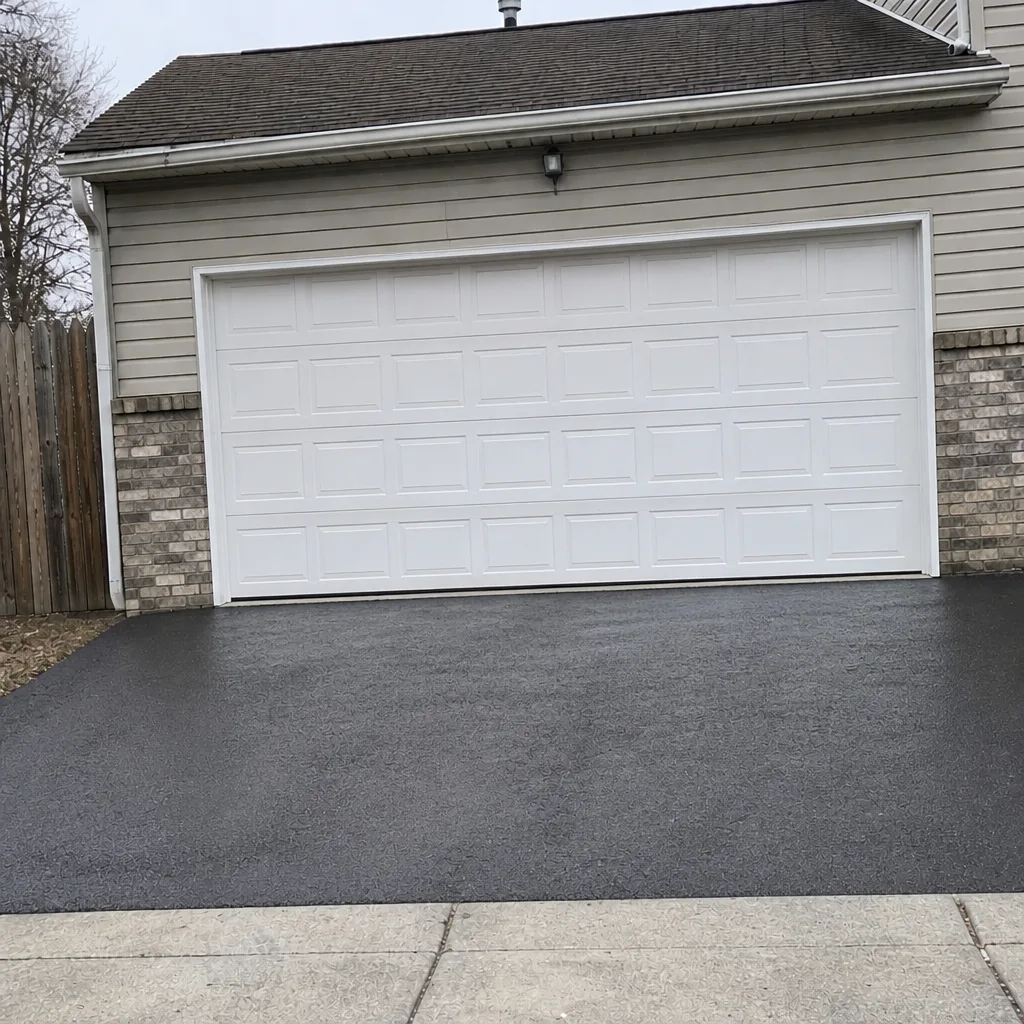
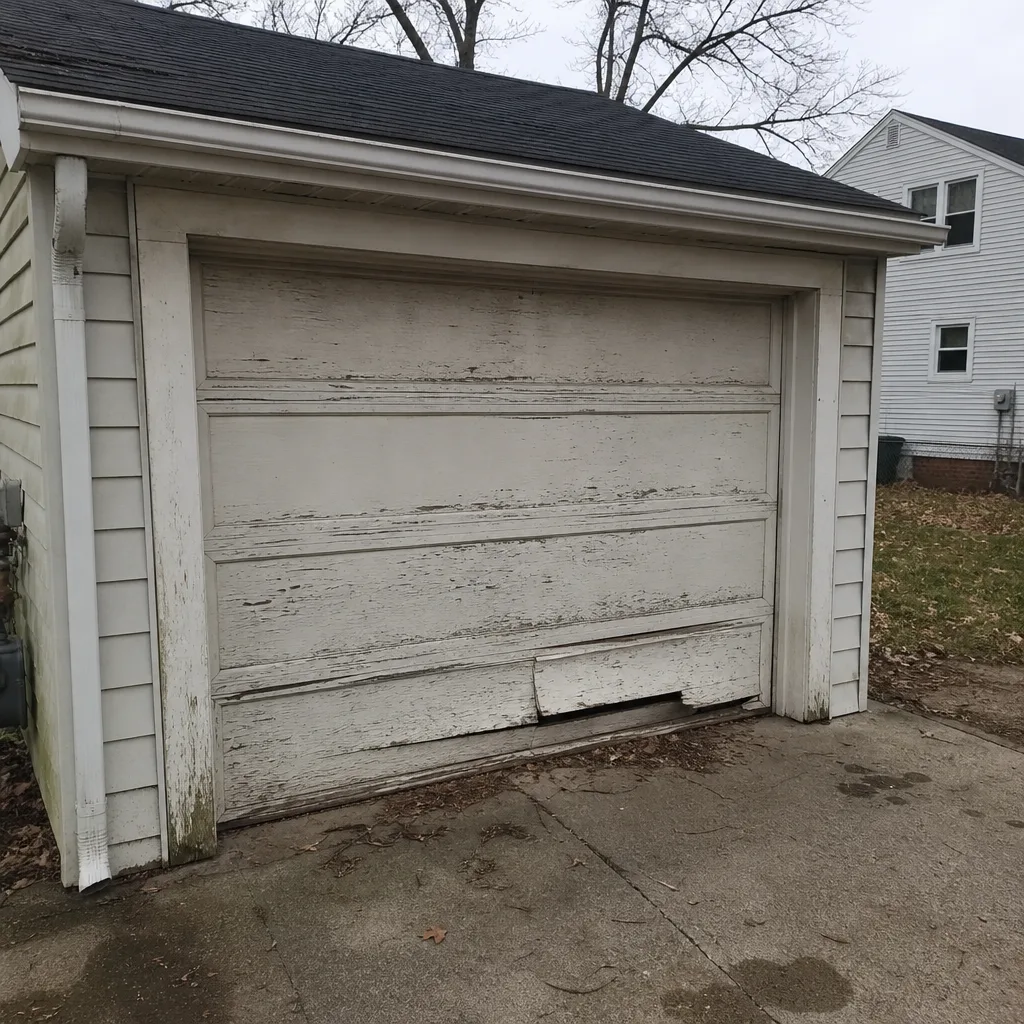
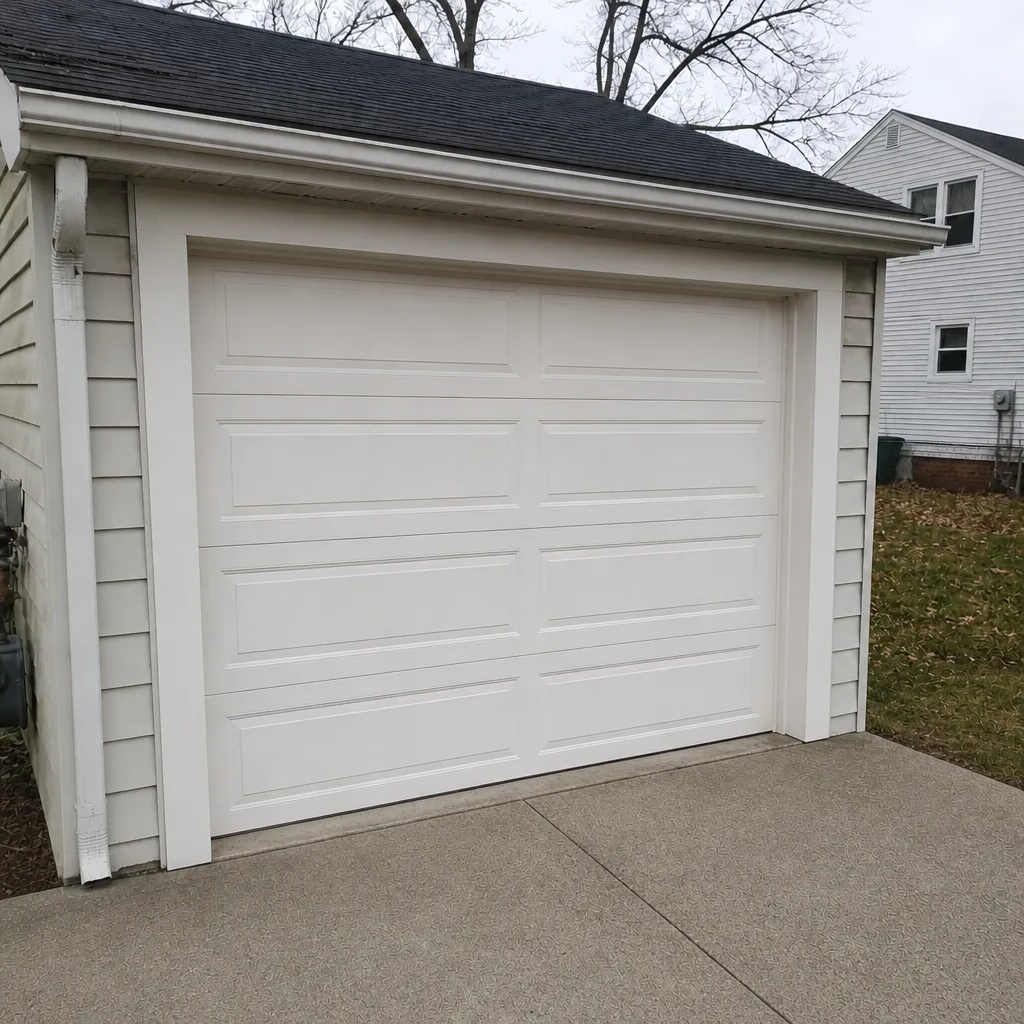
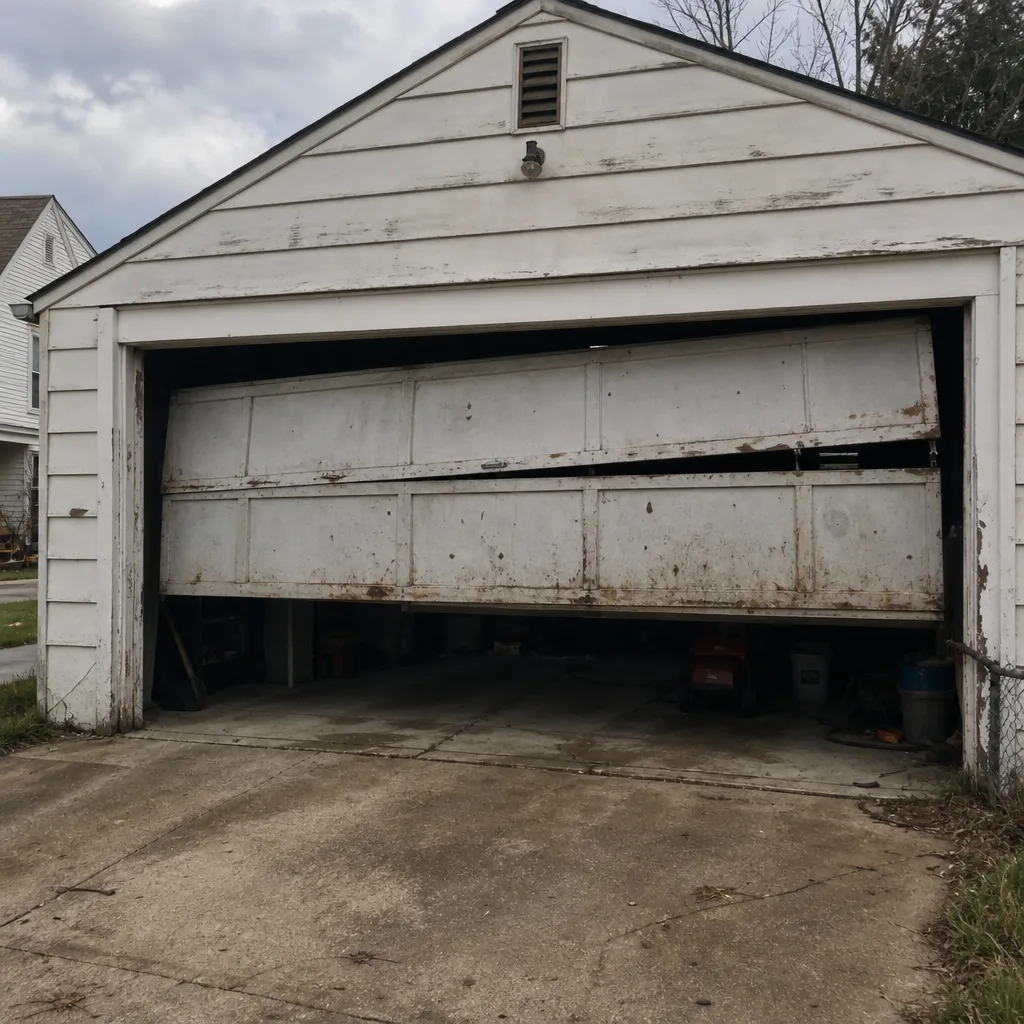
See the difference
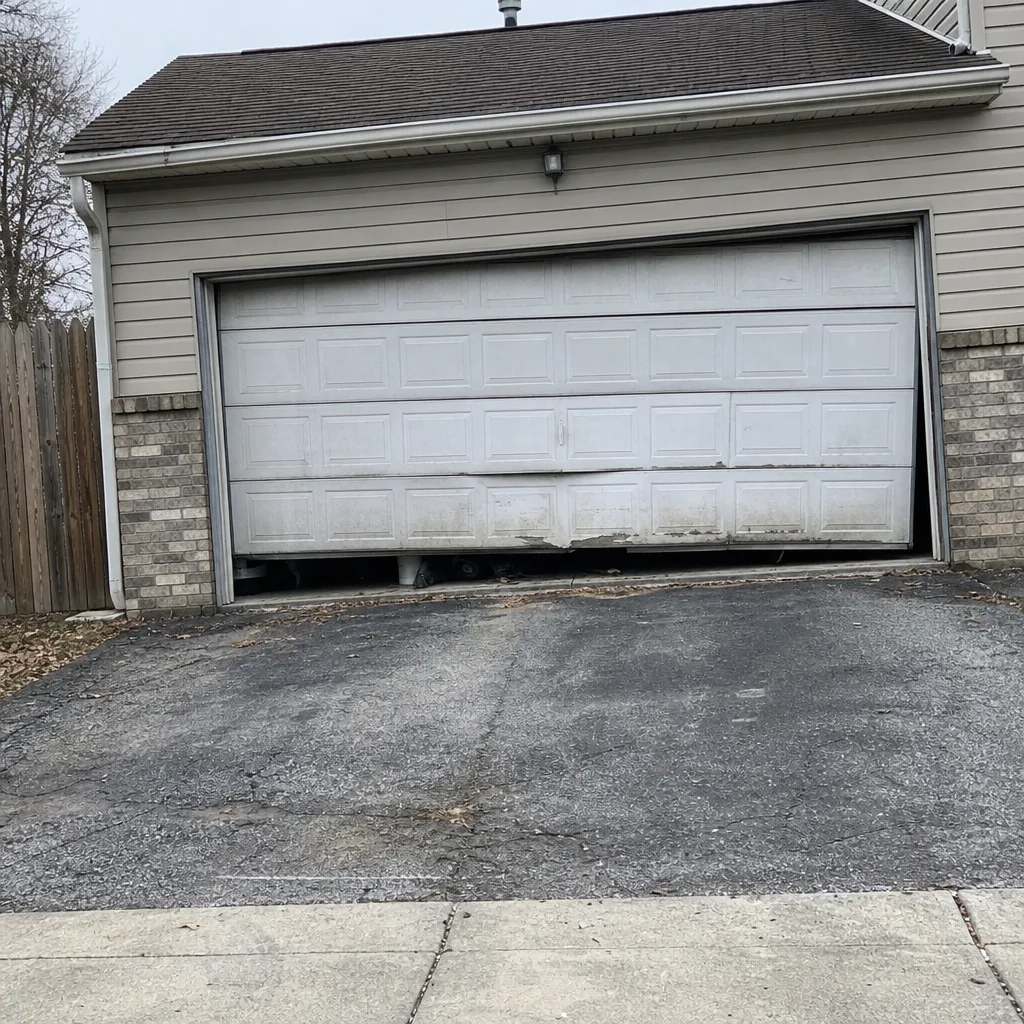 Before
 After
 Before
 After
 Before
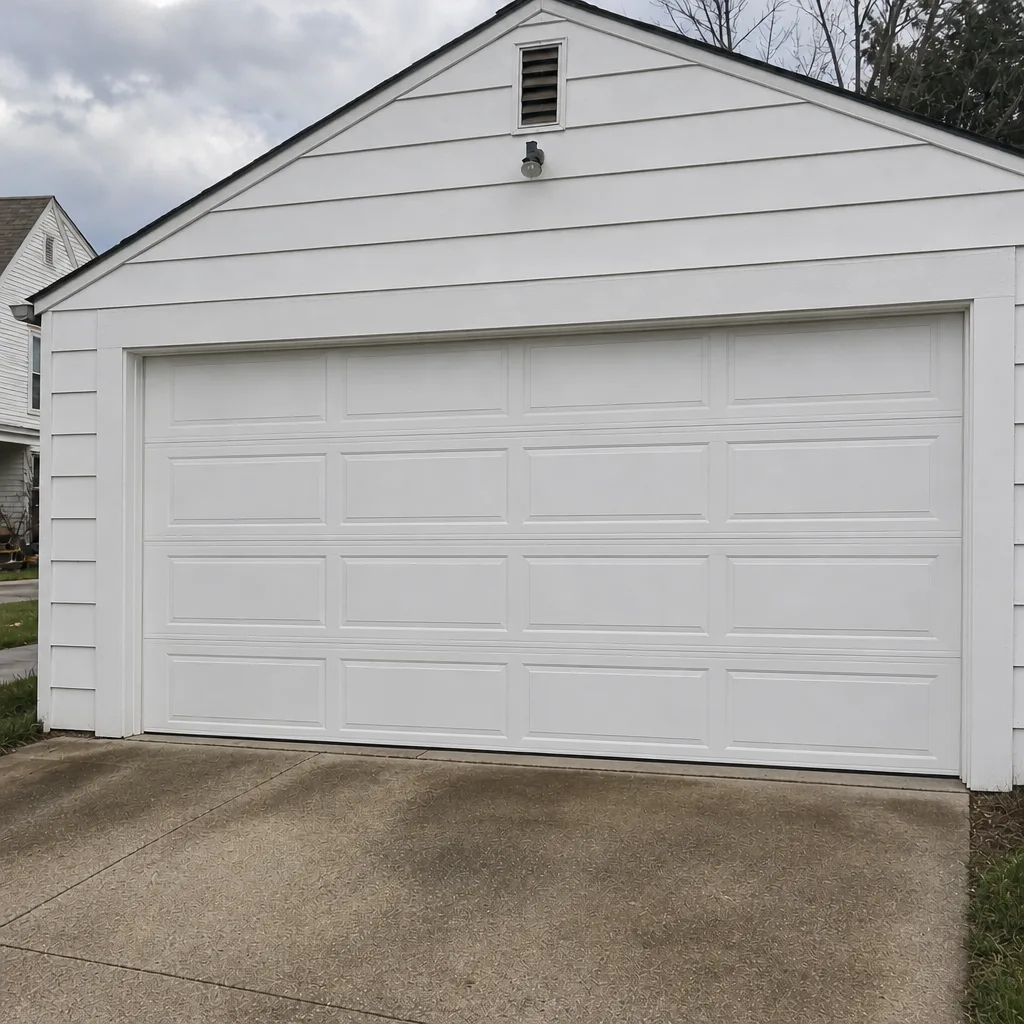 After
When to Call a Professional
Call a professional when you spot any of the following: a door that sinks or rises on its own with the opener disconnected, a frayed or kinked cable, a spring that looks broken or has lost tension, a door that’s come off its tracks, or an opener that won’t reverse when tested. Those are the cases where homeowner adjustments carry real risk, and where a small fix usually heads off a much bigger one. We also recommend a call if the door has drifted noticeably against your baseline log, if the opener is straining, or if a bottom seal needs replacing before winter. Dublin Garage Door Repair Pros offers free estimates in Dublin – call (866) 657-1992. We service all eight major garage door brands, so regardless of what’s on your door, one call covers the full job.
Worth mentioning: our technicians carry up to 8 years of experience on the specific brand systems we service, including LiftMaster, Chamberlain, Genie, Clopay, Amarr, Wayne Dalton, Craftsman, and Raynor. If you’re replacing a door entirely rather than repairing one, we can advise on the right model for your home without any dealership bias. The recommendation should follow the door and the budget, never the incentives.
Frequently Asked Questions
Aim for a light check every few months and a full pre-winter inspection in October or November, before the first forecast freeze. Dublin doors actually cluster their failures around three seasonal windows – first freeze, first 90-degree week, and the morning after an ice storm – so time your checks to those inflection points rather than a fixed quarterly date. The pre-winter one is the most important of the year.
Light lubrication of an accessible torsion spring is generally safe, and cold-temperature lubricant keeps the spring operating smoothly in a Dublin winter. What’s not safe is tightening or adjusting the spring – the stored energy is enormous, and adjustment injuries are common. If a spring seems to have lost tension, call (866) 657-1992 for a free estimate rather than touching it.
A broken torsion spring usually presents as a door that’s dead weight – the opener hums but the door barely moves, or the door won’t lift by hand when the opener is disconnected. On extension springs, a snapped spring is often visible as a gap or a dangling coil. If a spring has broken, don’t try to open the door repeatedly; it’s under strain and needs a professional fix. Call us for the same-day service we run for exactly this.
A routine maintenance visit or pre-winter inspection is typically an inexpensive service, and the price is quoted and agreed before any work starts. If the inspection turns up a repair – a bottom seal, rollers, or a spring – we’ll quote that separately, so you decide before anything is done. Call (866) 657-1992 for a free estimate.
Yes – a stiff bottom seal is one of the biggest reasons Dublin garages get snowmelt and cold air inside all winter. At 20°F the rubber turns hard and stops compressing, so the door no longer seals against the floor. Replacing it before winter costs far less than dealing with ice damage to panels and tracks. Check the seal’s pliability in October, not January.
We work on all eight major brands – LiftMaster, Chamberlain, Genie, Clopay, Amarr, Wayne Dalton, Craftsman, and Raynor – so you almost never need a second specialist for a standard garage door job. That includes openers, springs, cables, panels, and full installations. It’s a single-specialist model with no subcontracting out, which means one call covers any of it.
The Bottom Line
The maintenance checklist that actually protects a Dublin garage door isn’t a generic quarterly reminder. It’s timed to three seasonal windows: the pre-winter inspection with its pliability, cold-lubricant, and threshold checks; the first heat wave with its seal, sensor, and opener tests; and the morning after an ice storm. Do those three things and you’ll catch most failures well before they become emergencies. Add a simple baseline log for travel time and opener behavior, keep lubrication and sensor cleaning in your own hands, and leave spring and cable work to a trained professional. If anything looks wrong, call early. It’s almost always the cheaper route.
When you need a repair or a free estimate, call Dublin Garage Door Repair Pros at (866) 657-1992. We’ll book a visit, quote the work up front so the price is agreed before anything starts, and get your door moving again. Garage doors are all we do.
Written by the team at Dublin Garage Door Repair Pros.