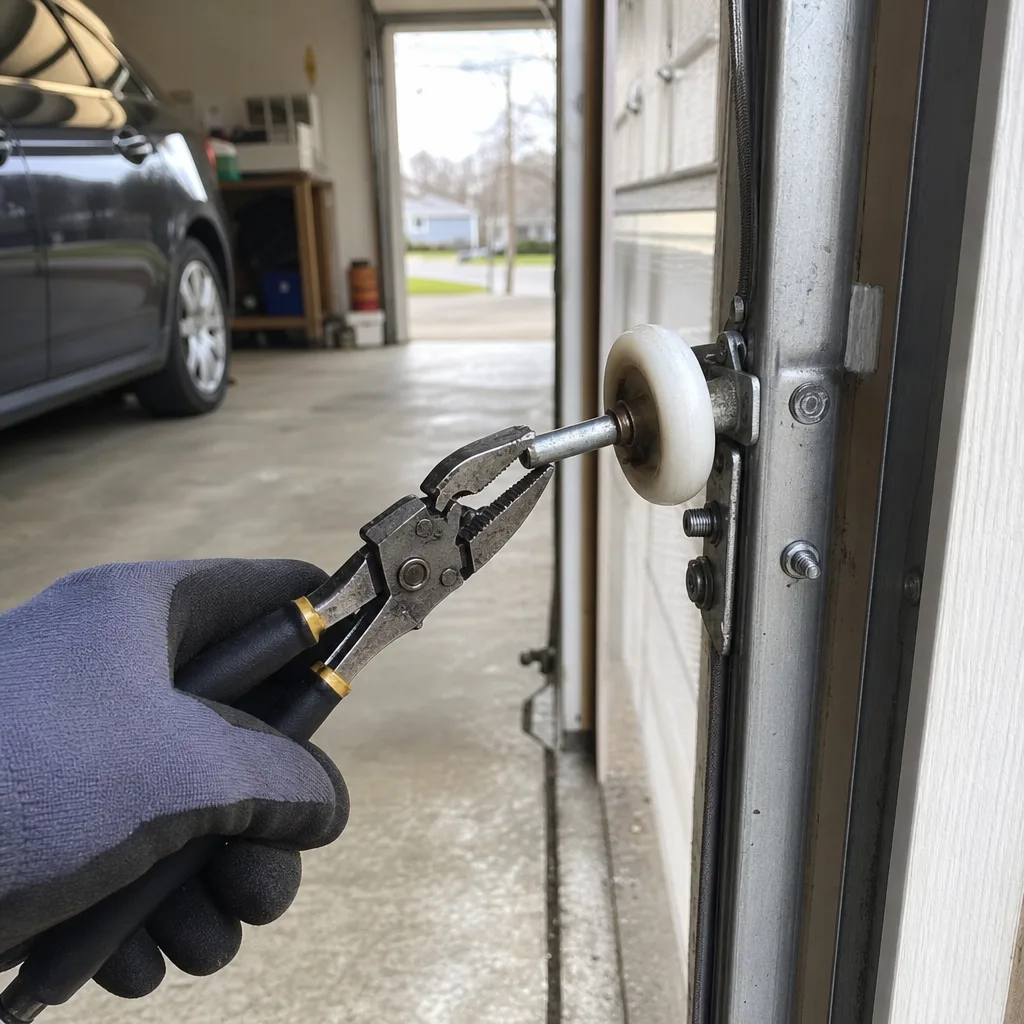
Last updated November 22, 2026
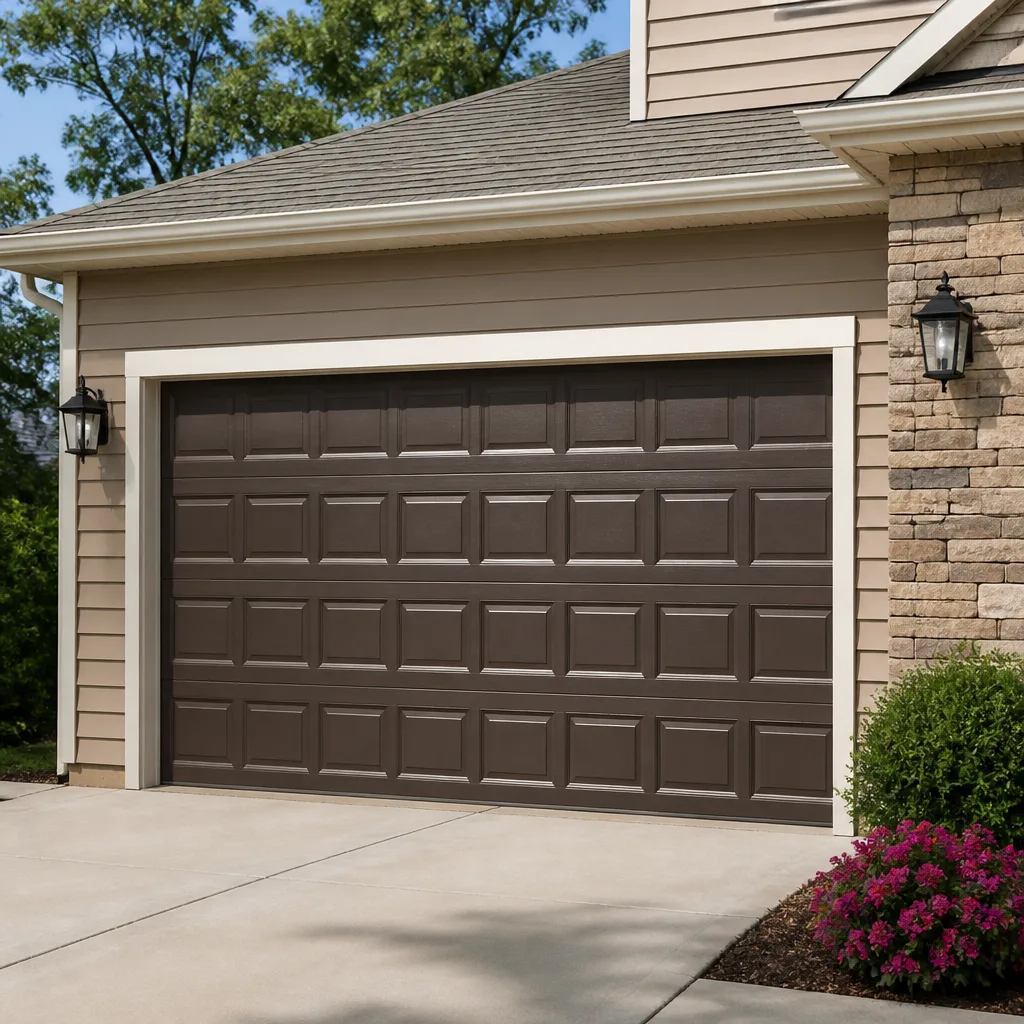 Raised-panel steel
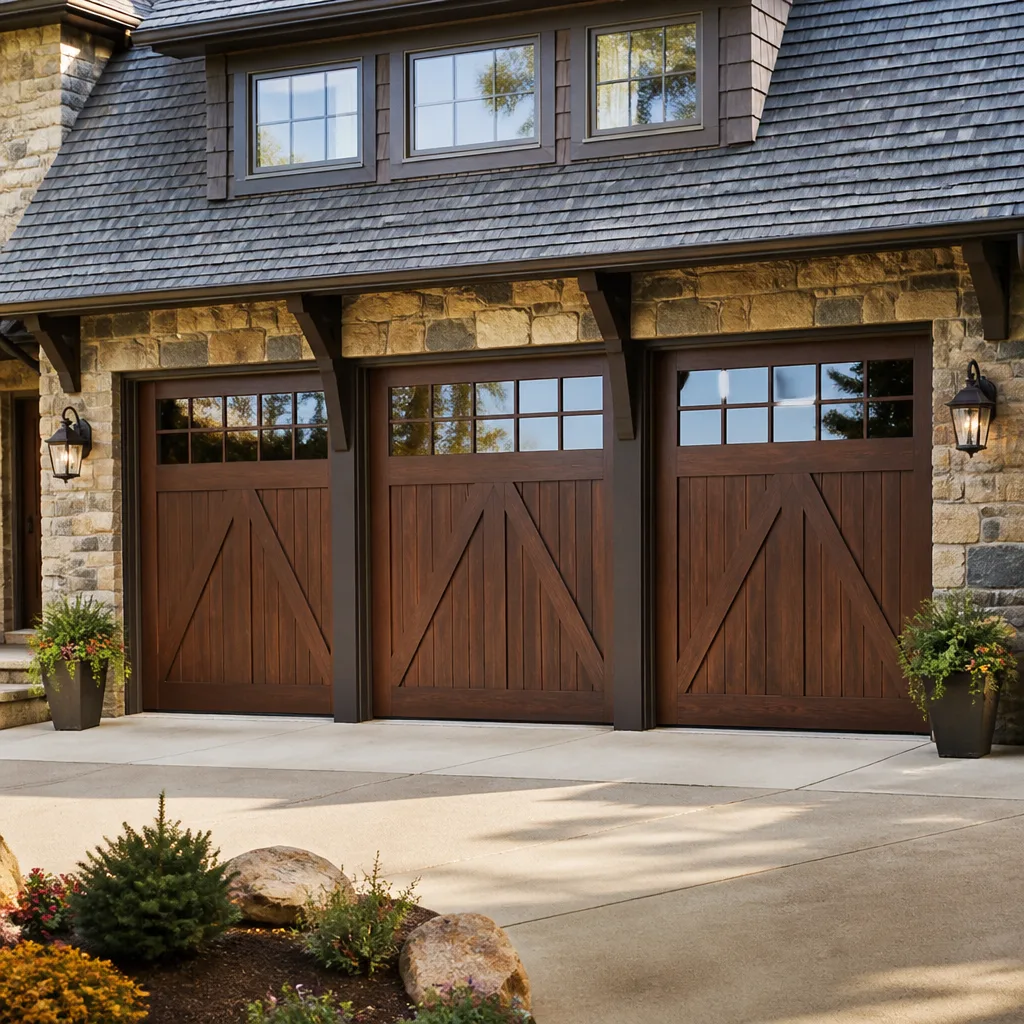 Carriage house
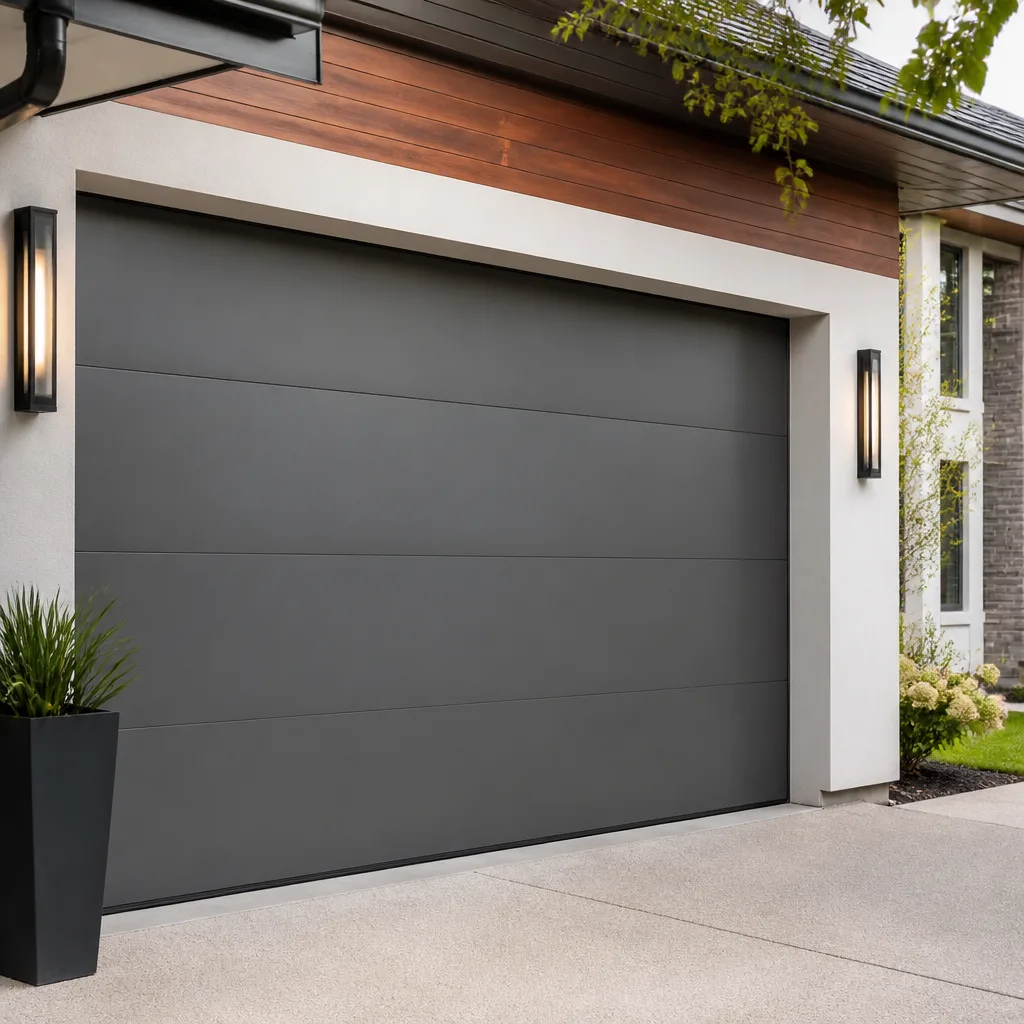 Modern flush
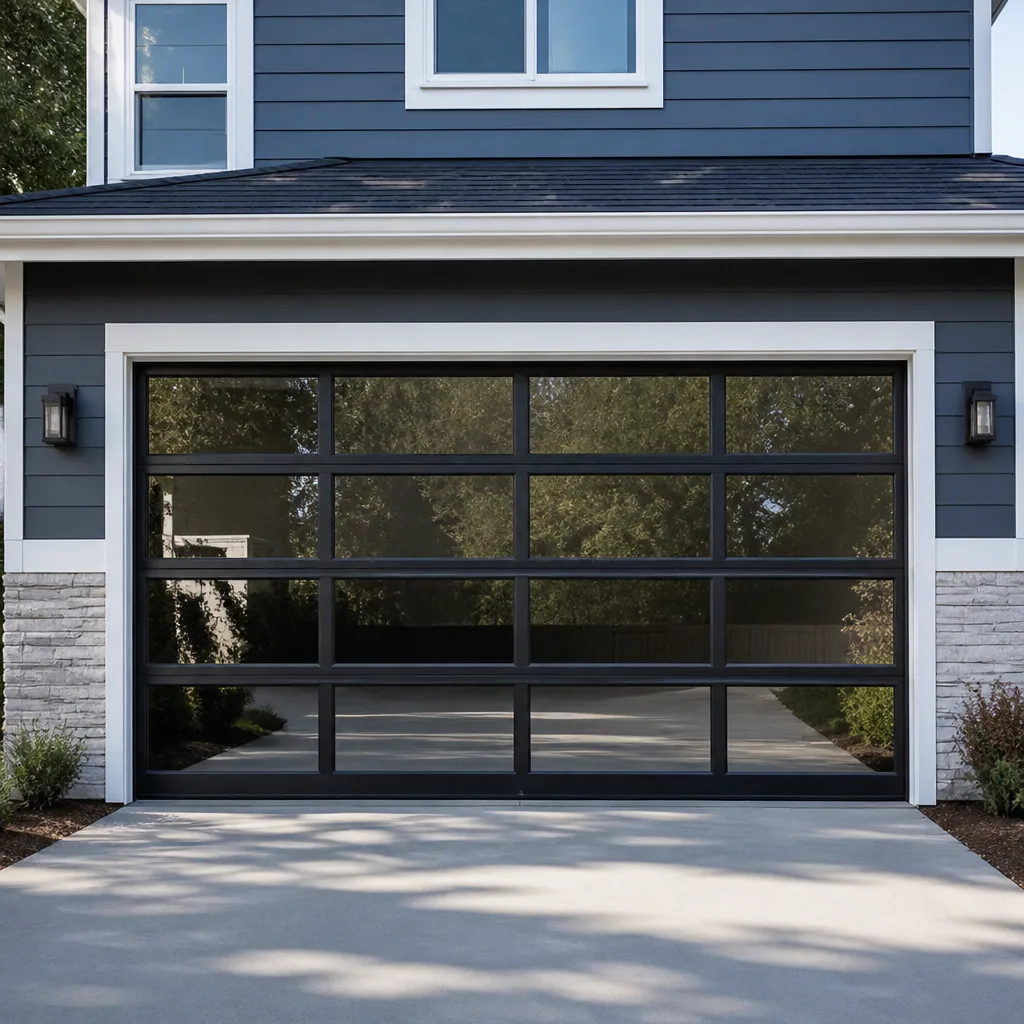 Full-view glass
 LiftMaster openers
 Chamberlain openers
Full 25-point door and opener safety check with every visit - springs, cables, rollers, tracks, and your LiftMaster or Chamberlain opener included
You get a price before we start. It does not change when the pro arrives.
Get your free estimateGarage Door Warning Signs: A Dublin Homeowner’s Reference Guide
A garage door spring under tension stores a startling amount of energy for a part that’s easy to ignore. When it lets go, the door it was holding up – a panel assembly that typically weighs well over 300 pounds – drops with nothing to counter its weight. That’s why the interesting part of garage door safety isn’t the failure itself. It’s the weeks of warning that come before it, most of which go unnoticed because homeowners don’t know which signs matter and which don’t.
This guide sorts the noise from the signals. You’ll learn which sounds mean normal wear, which visual cues mean a component is close to failing, and how to run a simple balance test that can reveal a tired spring. If you’re in Dublin, Ohio, we’ve added the local context that shapes how these parts age here. We specialize in garage doors exclusively, and our technicians have up to 8 years of experience reading exactly these signals on doors across the city.
Quick Answer
The most important garage door warning signs are: a loud bang from the spring area, a door that opens unevenly or sags on one side, visible rust streaks or gaps in the coils, frayed or slack cables, and an opener that strains, slows, or reverses on its own. Grinding and squeaking usually point to wear that can be scheduled. A sudden bang, a hanging door, or a snapped cable means stop using the door and call for service immediately. When in doubt, keep the door closed and let a trained technician look at it.
Styles & brands we work with
- Raised-panel steel
- Carriage house
- Modern flush
- Full-view glass
- LiftMaster openers
- Chamberlain openers
Table of Contents
- How Garage Doors Fail: The Force Behind the Symptom
- Sounds That Signal Wear vs. Sounds That Signal Risk
- Visual Signs on Springs and Cables You Can Check Safely
- The 60-Second Balance Test
- Opener Behavior Changes: Mechanical, Sensor, or Programming
- Reading These Signs in Dublin, OH Homes
- Which Signs Mean “This Week” vs. “Stop Now”
How Garage Doors Fail: The Force Behind the Symptom
Every symptom in this guide traces back to the same system: springs, cables, panels, and the opener, working together under constant tension. Understanding what each part does makes the warning signs easier to interpret, and it explains why some of them are genuine emergencies while others are just maintenance.
A torsion spring is coiled steel that stores energy when the door closes and releases it as the door opens. It does most of the lifting; the opener mostly just gives the door a push and controls speed. That’s why a door can feel fine for months while a spring quietly weakens. The counterbalance is degrading even when the door still moves. The opener works harder to compensate, which is why opener strain is often the first thing a Dublin homeowner notices.
Cables run the load from the spring to the door. They’re under high tension at all times and are not something to handle during inspection.
What each part does when it’s healthy:
- Springs hold the door’s weight so it can be lifted by hand with modest effort.
- Cables route the spring’s lift force evenly to both sides of the door.
- Panels and rollers guide the door along the track without binding.
- The opener should move the door, not lift it. If the opener is straining, the spring is usually the real issue.
Our technicians frequently find that what a homeowner describes as an opener problem turns out to be a failing spring the opener has been masking. Sorting that out is the core of what we do. If you’ve been noticing strain or odd movement, it may be worth scheduling a proper look at garage door repair sooner rather than later.
Sounds That Signal Wear vs. Sounds That Signal Risk
Not all garage door noise means the same thing. The useful distinction is between wear sounds and structural-risk sounds. Wear sounds develop gradually and give you time to schedule. Structural sounds happen suddenly or repeat in a way that suggests a part is about to give.
Wear sounds – schedule service within the week:
- Squeaking. Usually dry rollers or hinges, or worn nylon on the roller wheels. A dry roller is a maintenance issue.
- Grinding. Often a roller that’s stopped turning and is dragging along the track, or a track that’s slightly out of alignment. Worth a look, but not an emergency.
- Rattling over the door’s travel. Loose hardware or panel fasteners. Tighten and inspect before it becomes something else.
- A dull scrape that comes and goes. Usually a rolling issue tied to a specific segment of track.
Structural sounds – stop and call:
- A single loud bang from the door. This is the classic sound of a spring breaking. The door will feel heavy or lock up. Don’t operate it.
- A cable slap or snap sound. That means a cable has come loose or failed. The door may hang unevenly or jam. Keep it closed and call.
- Rhythmic, uneven clunking on one side. Often a sign of a hanging door or a failing spring on one side. Don’t keep running the opener to “see if it works.”
If the noise happened today and the door still opens, it’s tempting to keep using it. We’d stop. A door on a failed spring or cable can drop or come off its track with the opener still trying to drive it. Call (866) 657-1992 and we’ll get someone out.
Visual Signs on Springs and Cables You Can Check Safely
You can inspect springs and cables by eye without touching them, and that’s exactly how you should do it. A torsion spring can be under hundreds of pounds of tension. Never wind, unwind, adjust, or reach into a spring assembly yourself, even to “test” it. The same goes for cables: never grip, pull, or straighten one. What you can do is look and note what you see.
Spring warning signs to look for:
- A visible gap in the coils. A healthy spring has tightly packed, evenly spaced coils. A gap running across the length is a warning sign that it’s close to the end of its life.
- Rust streaking or flaking. Rust indicates moisture exposure and internal wear. In Dublin’s wet, humid stretches, rust on a spring is a common reason it fails early.
- A spring that looks “wound down” or uneven. If one spring on a matched pair looks compressed and the other looks normal, that’s a sign to call.
- Fresh paint or shine mismatch. Springs that were replaced at different times on the same door don’t share the load evenly.
Cable signs to look for:
- Frayed strands. Look at the exposed cable near the bottom corners of the door. A healthy cable is smooth; a failing one has broken strands sticking out like a frayed rope.
- Slack or loose hanging cable. If a cable looks like it’s come off its drum or has lost tension, stop using the door.
- Rust. Cables can rust too, which weakens the core strands before the outside looks bad.
This is exactly the kind of inspection a trained eye does in the first few minutes of a visit. If you spot any of these signs, garage door spring repair is the service to ask about, and it’s the kind of work we handle on all the major door and opener brands, including Clopay and Amarr door systems.
The 60-Second Balance Test
The balance test is the most useful check a homeowner can run. It reveals whether the springs are still carrying the door’s weight before they fail. It’s safe and takes under a minute. Do it with the door fully closed and the opener disconnected.
- Pull the emergency release cord. It’s usually a red handle hanging from the opener carriage. Pulling it disconnects the door from the opener.
- Lift the door by hand to about waist height. Use a steady grip on the bottom center of the door. If it takes real effort, the springs are likely weak already, and you should stop and call.
- Let go gently and step back. Don’t push it up or hold it partway.
- Watch what the door does. A properly balanced door stays roughly where you let it go. A door that drops right away means the springs aren’t holding their side. A door that rises on its own means the springs are overpowering it.
- Lower the door and re-engage the release cord. Pull the door down, then reattach by pulling the release handle and pulling the door forward toward the opener until it clicks back in.
If the door drifts down or up, the springs are the problem. Don’t keep running the opener to compensate. The opener is being asked to do more than it was designed to lift, and that’s what leads to premature opener failures. Run this test once a season and after the door has been sitting for long stretches. If you’d rather not test it yourself, we’re happy to do a free estimate check for Dublin homeowners. That balance test is at the heart of how we approach Dublin Garage Door Repair Pros.
Opener Behavior Changes: Mechanical, Sensor, or Programming
When an opener starts acting up, homeowners usually blame the opener. Often the opener is just the messenger. Before you replace one, you want to know whether the problem is mechanical (the door), a sensor (the safety beam), or the opener itself. Get the diagnosis right and you avoid paying for a new opener when the door is the real problem.
Mechanical symptoms (door is the issue):
- The opener strains on cold mornings. A chilly Dublin morning thickens lubricant and stiffens the door, and the opener notices first. A door that struggles only when cold is often a sign storage of spring tension has been reduced.
- The opener reverses partway through travel. That’s usually the safety system sensing resistance because the door is binding or the spring is weak.
- The opener runs but the door moves slowly or lags on one side.
Sensor symptoms (safety beam is the issue):
- The door reverses immediately on the close, before the door is moving much at all.
- The opener works with the light off but reverses when the garage light turns on. A weak sensor can react to that glare.
- The photo-eye on one side has been bumped, dusty, or misaligned.
Programming or power symptoms (opener is the issue):
- The opener runs but doesn’t respond to the remote.
- It responds to one remote but not another.
- It loses its settings after a power flicker.
Aging openers from Chamberlain and Genie behave differently as they age, and the two brands handle safety-reverse and travel-limit failures in their own ways. That’s why the brand on the rail sometimes matters when you call. Our team works on all the major opener brands, so if you describe the symptom over the phone we can usually point you to the most likely cause. If you want to go deeper on that, see our garage door opener repair page.
Reading These Signs in Dublin, OH Homes
Where you live affects how these warning signs show up. Dublin’s mix of older neighborhoods and newer builds puts different demands on the same parts. Homes near the historic district in Dublin and along the surrounding established streets often have original or second-generation spring systems that have already had one cycle of replacements – which means they’ve been through the seasons and may not be matched. Newer subdivisions further out tend to have doors that are reaching the end of their first spring life, which shows up as the first opener strain rather than a snapped spring.
The larger local factor is our seasons. Dublin gets humid summers and cold winters, and both work against springs and cables.
- Humidity drives rust. Rust on a spring is a warning sign we look at on nearly every Dublin door that’s past its middle years.
- Temperature swings test seals and cables. A cable that survived last winter can fail with a sudden snap the first week of a cold snap. A frayed cable on the day it’s cold is a stop-now sign.
- Cold-morning opener strain is a pattern. If your door gets slow only when it’s cold and works fine by afternoon, that’s the door asking for a spring check.
One more local note: plenty of Dublin homes have a second, even smaller door on a side garage. These often get ignored because they’re used less, and their springs sit under tension without regular exercise. A quick visual check on the side door once a season is worth adding to your routine. Our team reads Dublin doors all year, and the pattern of what fails when is fairly consistent.
Which Signs Mean “This Week” vs. “Stop Now”
Sorting warning signs by urgency is the whole point of this guide. Here’s the simple version. If the door is doing what it’s always done and just making a little extra noise, schedule service. If it’s doing something new that affects movement, safety, or the door’s stability, stop using it.
“Schedule service this week” signs:
- Squeaking, grinding, or rattle that you can trace to one spot and that comes and goes
- A door that’s slightly heavier to lift than it was last year
- Rust on the spring but all coils tightly packed
- An opener that strains on cold mornings but works fine later
- A frayed cable with a couple of exposed strands, but the door still moves evenly
“Stop using the door today and call now” signs:
- A bang from the spring area, and the door is heavy, locked, or won’t open
- A door that’s hanging crooked or visibly sagging on one side
- A cable that’s come off its drum or is hanging slack
- A door that keeps reversing on the way down because it’s binding
- An opener that runs but the door doesn’t move, or moves a few inches then stops
- A door that opens by itself or won’t stay closed
When in doubt, keep the door closed and call. Between a quick scheduled visit and an emergency call, the scheduled visit is easier on your door and your wallet. That’s why we encourage Dublin homeowners to run the balance test and watch for spring signs now, before anything gives way. Emergency response is one of our core services, so if the “stop now” list is your situation, call us today.
Common Mistakes to Avoid
- Running the opener on a heavy door. If the door feels heavy when you lift it by hand, don’t let the opener lift it. Every cycle strains the opener and the door’s panels, and the spring is the actual problem.
- Trying to fix a spring yourself. A torsion spring can be under hundreds of pounds of tension. Winding or unwinding one without the right tools and training is how serious injuries happen. Spring work is technician work.
- Replacing the opener when the door is the problem. A straining or reversing opener on a heavy door is usually telling you about the door, not itself. Get the door checked before you buy an opener.
- Ignoring rust on a spring. Rust weakens the spring from the inside out. A rusty spring that still works is a spring on borrowed time, and humid Dublin summers speed that up.
- Skipping the balance test. It’s the cheapest, safest check you can do. A door that drifts when you let it go from waist height needs service, even if it “works” today.
- Canceling a service call because the door started working again. Intermittent symptoms are common with weakened springs and failing openers. The problem is still there; it just doesn’t show itself every day.
- Assuming a matted or ragged cable is fine. A cable with visible broken strands or a cable that’s jumped its drum is a stop-now sign. Don’t wait for it to fail during a lift.
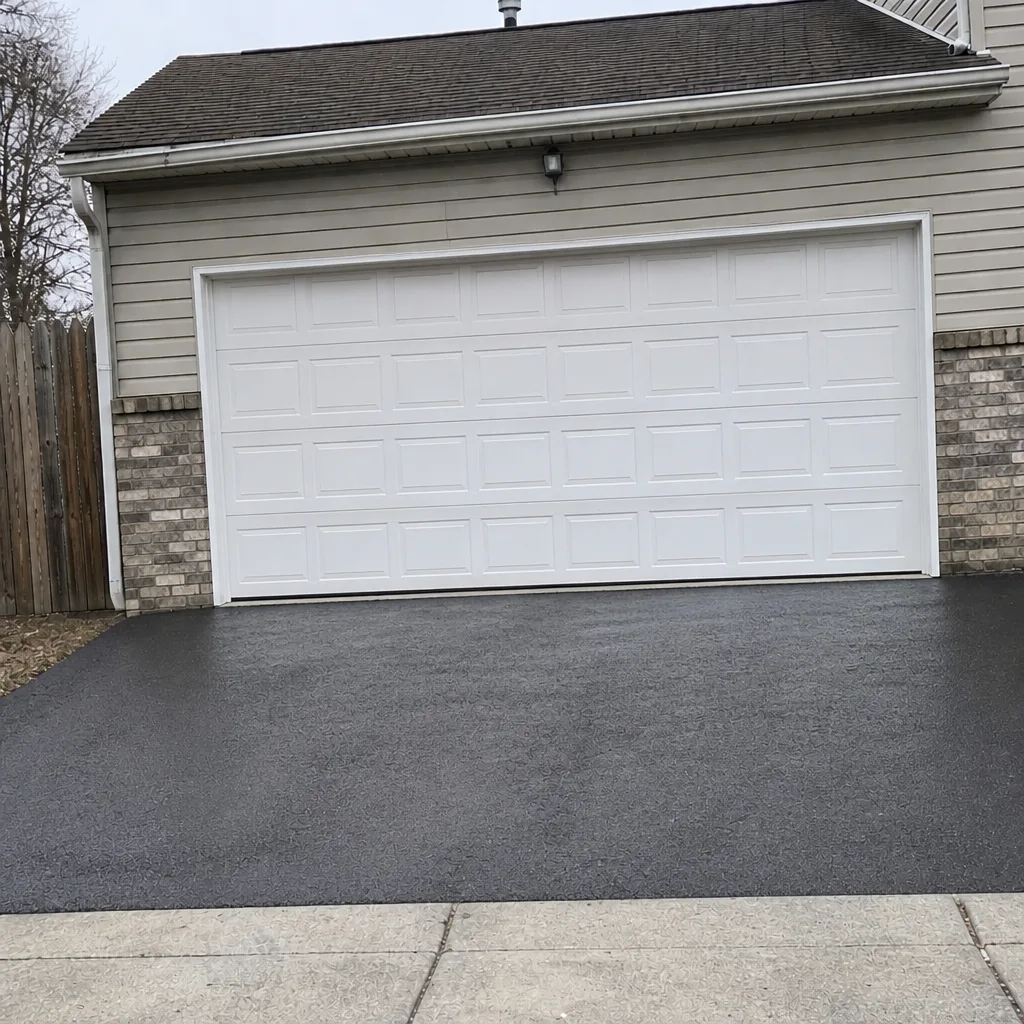
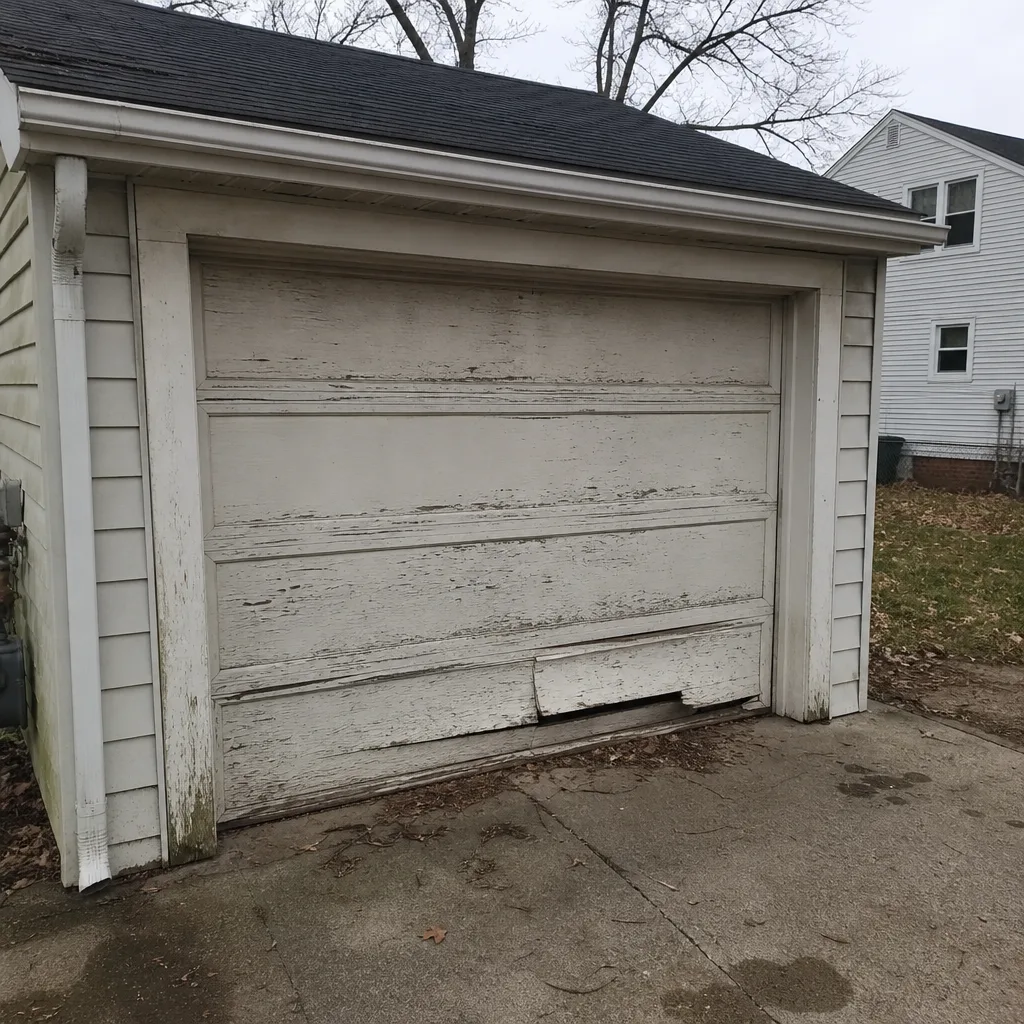
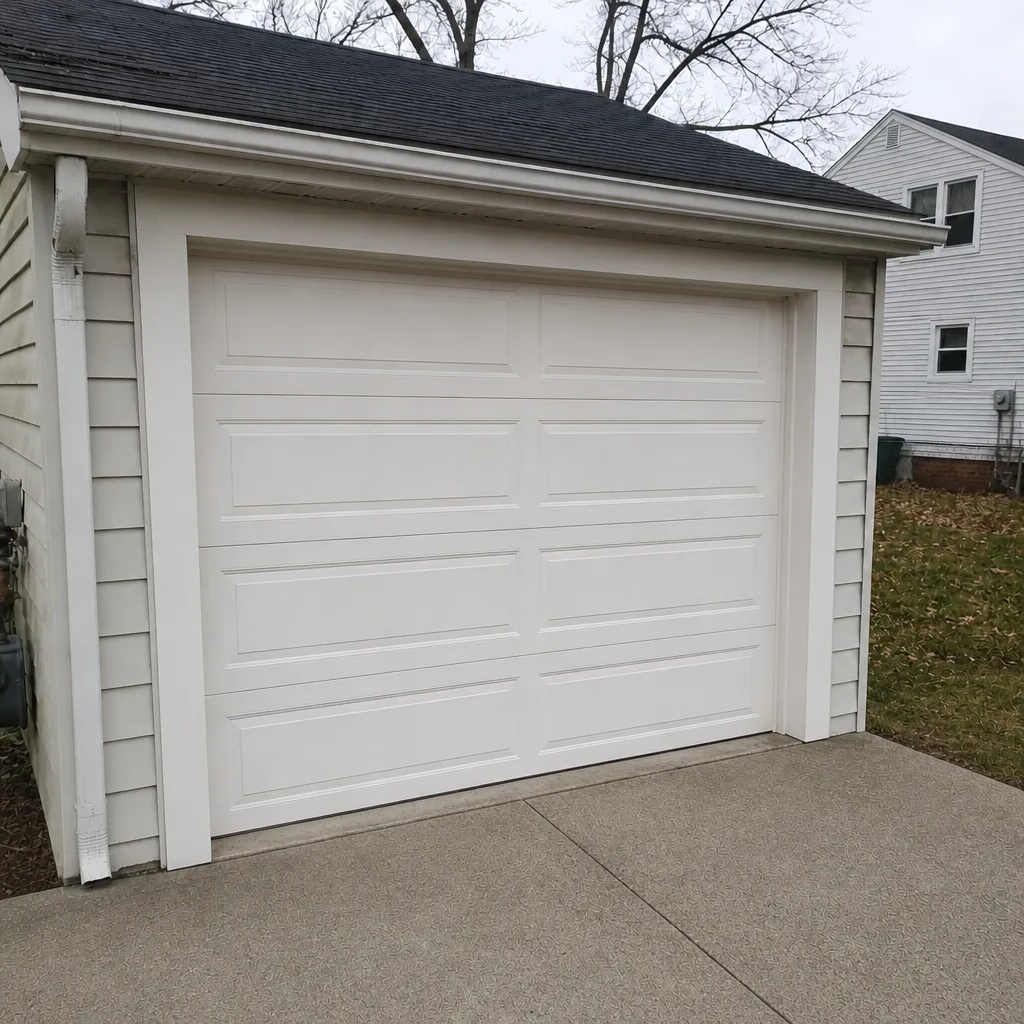
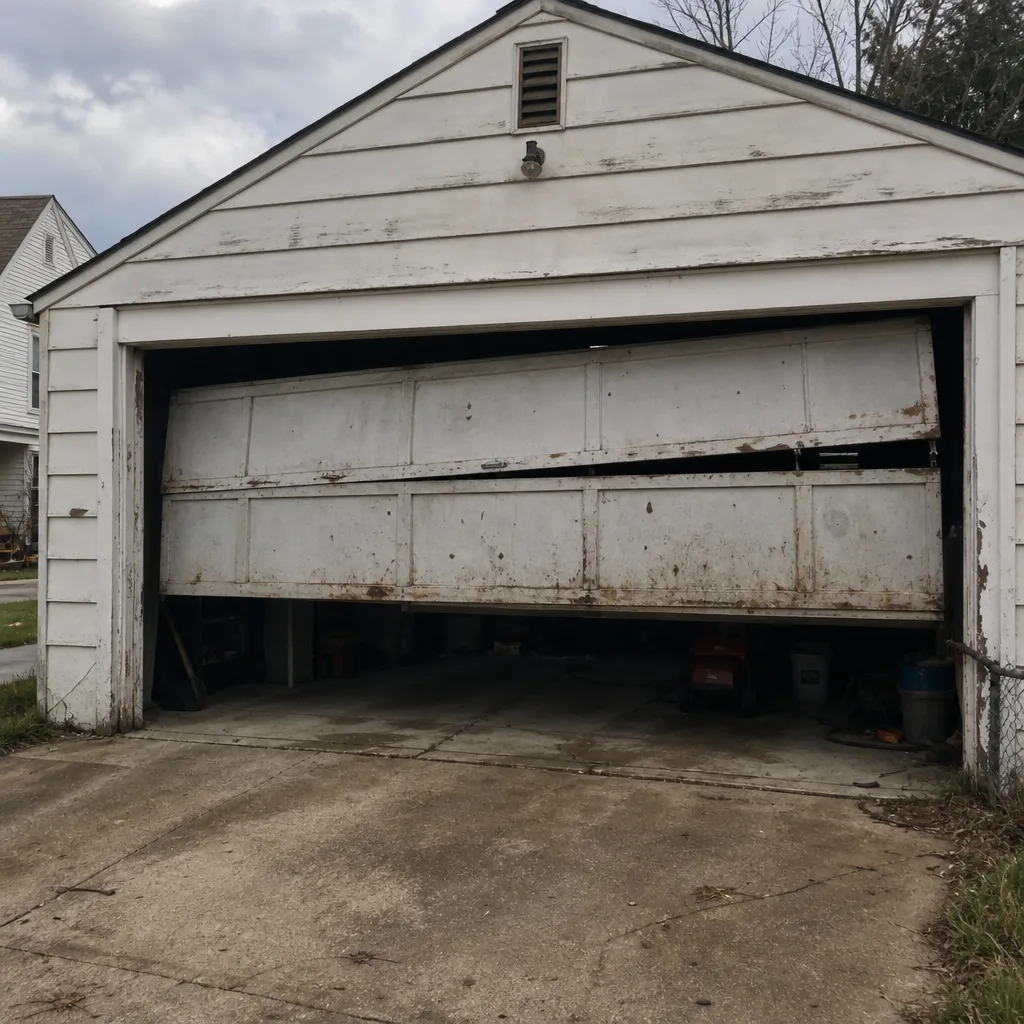
See the difference
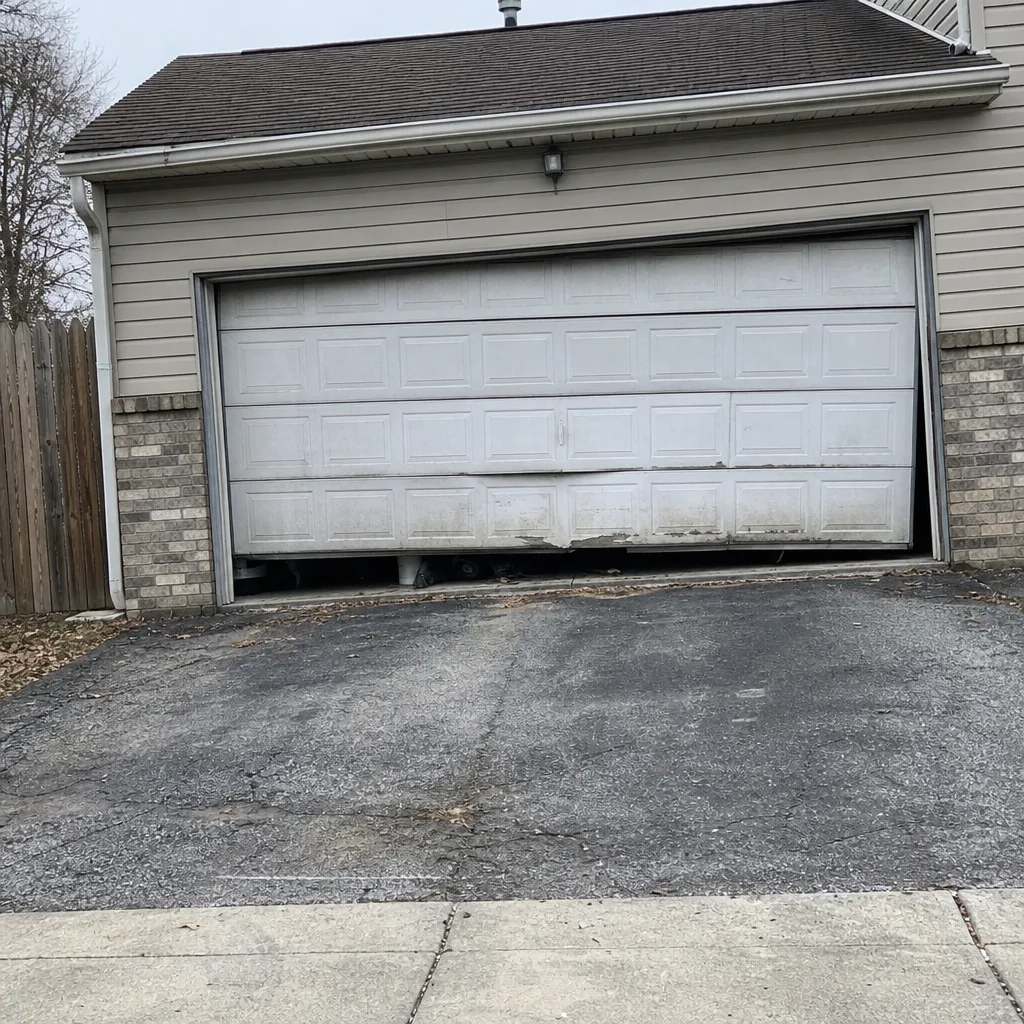 Before
 After
 Before
 After
 Before
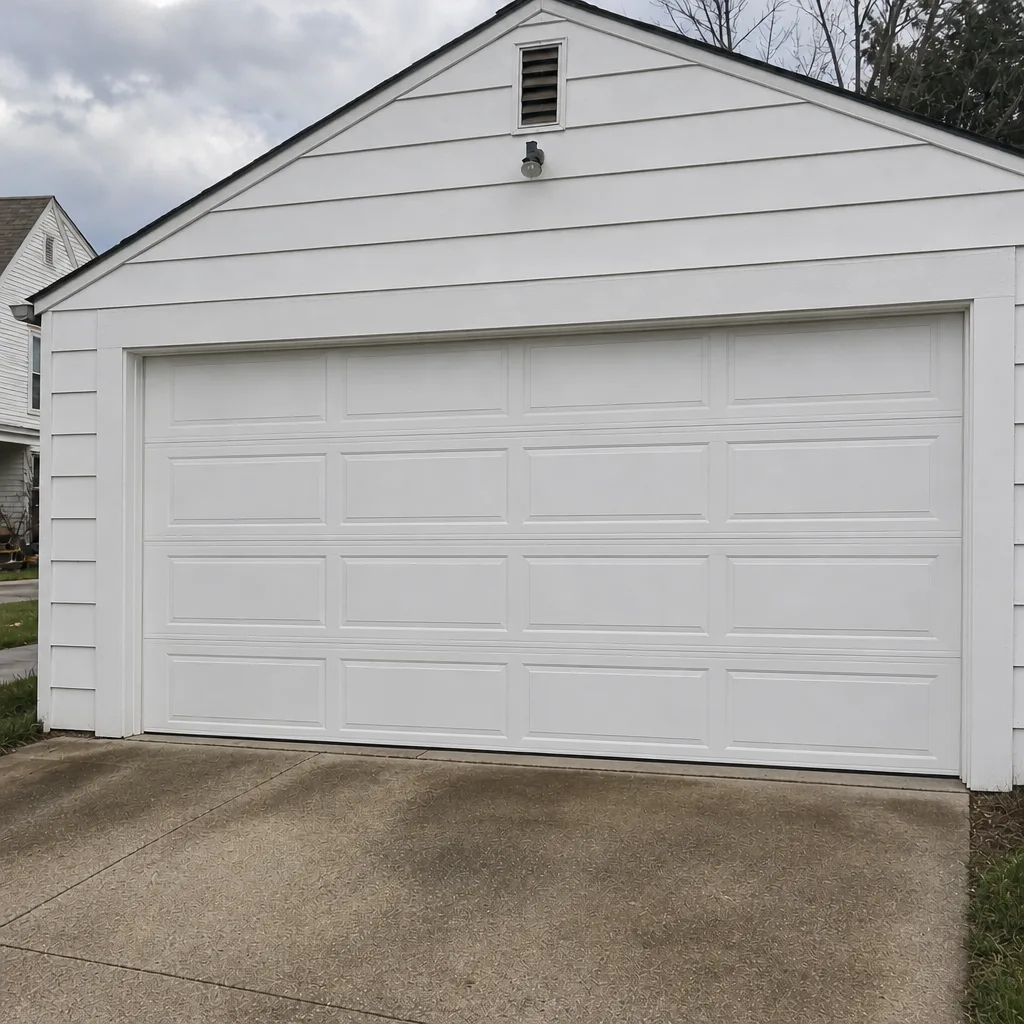 After
When to Call a Professional
If you’ve spotted anything on the “stop now” list, stop using the door and call right away. If it’s on the “this week” list, schedule service before the symptom gets worse. If you’re not sure which list it’s on, that’s the moment to get an expert eye on it. The parts involved here carry serious tension, and getting them sorted early avoids a bigger repair later.
Dublin Garage Door Repair Pros offers free estimates in Dublin. Call (866) 657-1992 and we’ll help you sort out which warning signs are wear and which are risk. We work on every major garage door brand, from opener brands like Chamberlain and Genie to door manufacturers like Clopay and Amarr, and garage doors are the only thing we do. Whether you’re dealing with a noisy door, a failing opener, or a spring that’s overdue, one call and one specialist covers it.
Frequently Asked Questions
The first signs are usually a door that feels heavier to lift, an opener that strains more than it used to, and a grinding or squeaking that wasn’t there before. Later signs include uneven movement, a sagging panel, rust gaps on the spring, or a frayed cable. If you notice the early ones, schedule a check before they turn into a stop-now problem.
Look for a visible gap in the coils, rust streaking on the spring, and a door that no longer holds the balance test. A spring that fails usually does so suddenly, but the warning signs build up for weeks before that. If your door drifts down when you let it go from waist height, the spring is already weak. Call (866) 657-1992 if you’d like a free estimate.
It depends on the noise. Continuous squeaking or grinding from rollers and hinges can wait for a scheduled service. A single loud bang, a cable slap, or a rhythmic clunk on one side means stop using the door. Don’t run the opener “to see if it still works” on a door that made a loud structural sound.
Uneven movement means one side is carrying more load than the other, usually because a spring on one side has weakened or a cable has slipped. It’s a sign of a mechanical problem, not a sensor problem. It’s also a reason to stop using the door until a technician has looked at it. Call (866) 657-1992 for a free estimate.
No, and it’s not a job to attempt. A torsion spring stores enough energy to cause serious injury if it’s released improperly, and the tools for the job are specialized. This is one of the most safety-critical garage door repairs, and it should always be done by a trained technician. If you’re unsure about the state of your spring, call (866) 657-1992.
Cold weather stiffens the door and thickens lubricant, and the opener notices before the door does. If the door only struggles when it’s cold and works fine later, the springs may be weakening, and the cold just makes it obvious. It’s worth a spring check. Call (866) 657-1992 for a free estimate.
No. The written estimate we give you sets the price, and we agree on it before any work starts. If a technician finds something extra, you’ll know before it’s touched, and you decide how to proceed. Speak with our team at (866) 657-1992 for an exact quote.
The Bottom Line
Garage door failures rarely come out of nowhere. The loud bang is dramatic, but the real story is the weeks of quiet warning before it, from a gritty noise to a rusty spring to a door that no longer holds its balance. The balance test and a careful visual check are the two best tools you have, and they cost nothing. Run the test once a season, watch for rust and cable damage, and treat any “stop now” sign as a call to stop using the door. If you spot anything in this guide that matches your door, call Dublin Garage Door Repair Pros at (866) 657-1992 for a free estimate in Dublin. We know these signs, and we’re glad to sort wear from risk.
Contact Us
If your garage door has given you any of the warning signs in this guide, call (866) 657-1992 for a free estimate. We handle repair, spring work, opener issues, and full installations on every major brand, and this is the only trade we work in.
Written by the team at Dublin Garage Door Repair Pros.