Last updated November 22, 2026
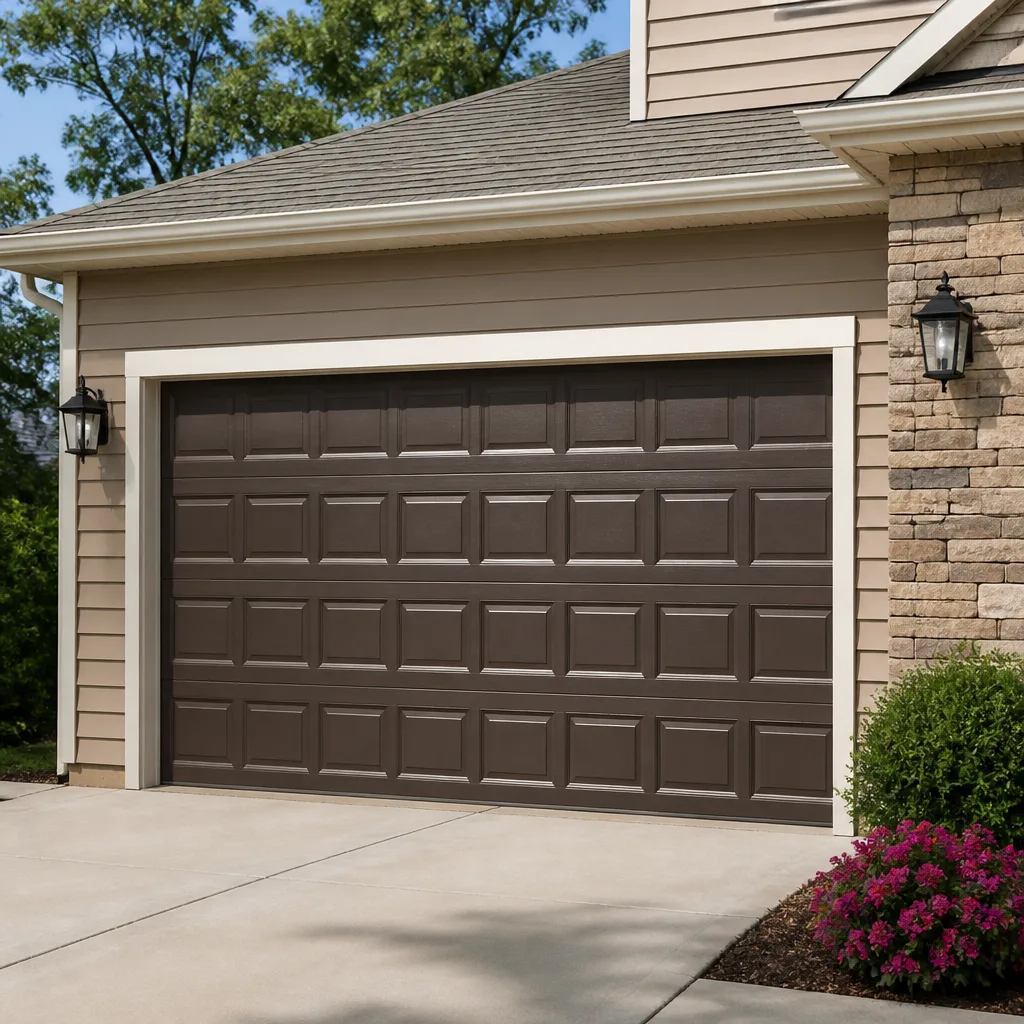 Raised-panel steel
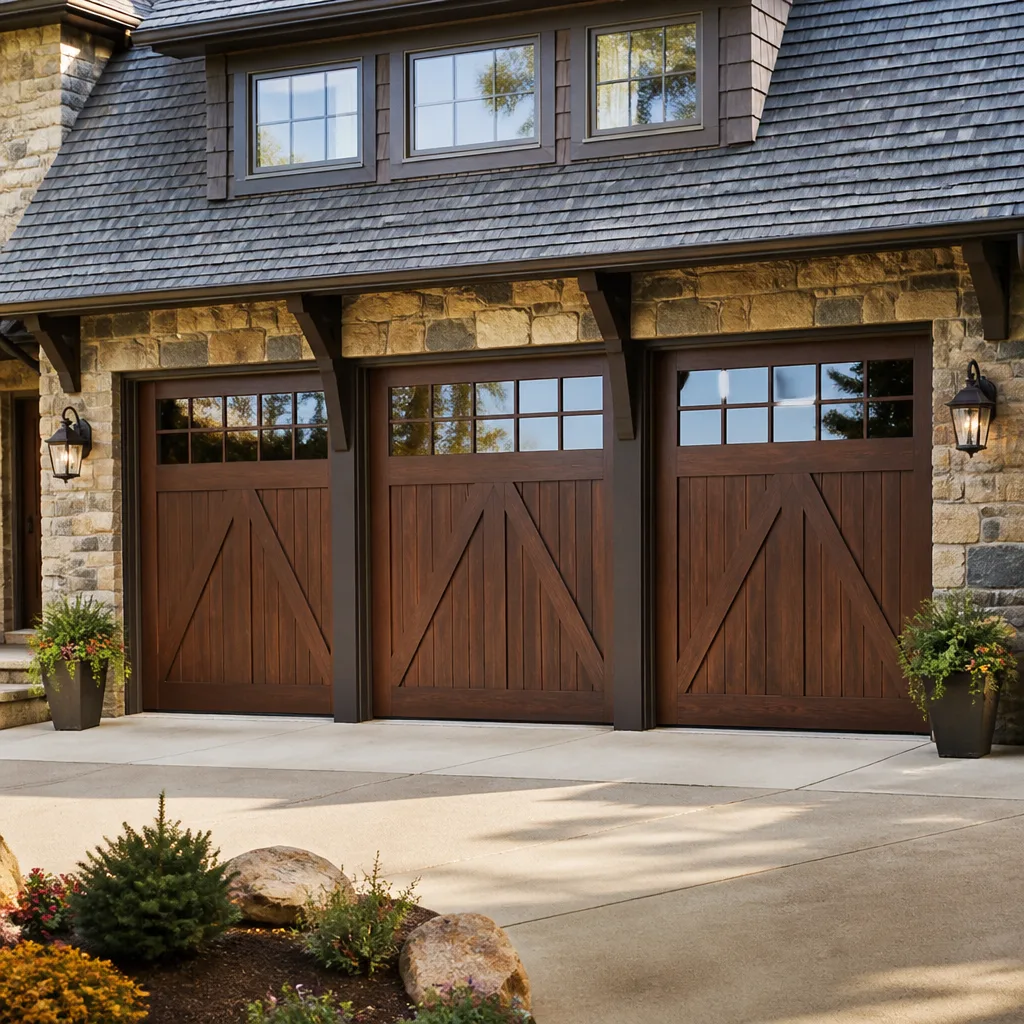 Carriage house
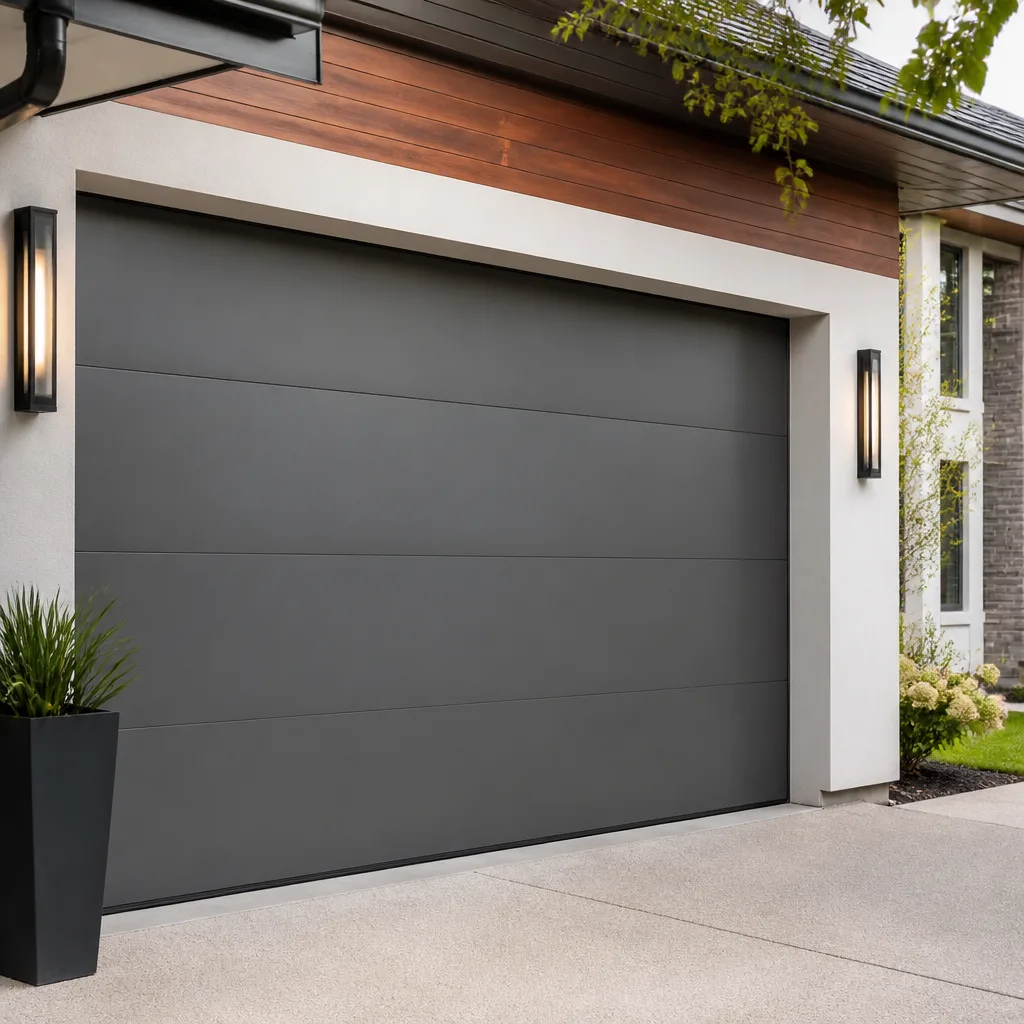 Modern flush
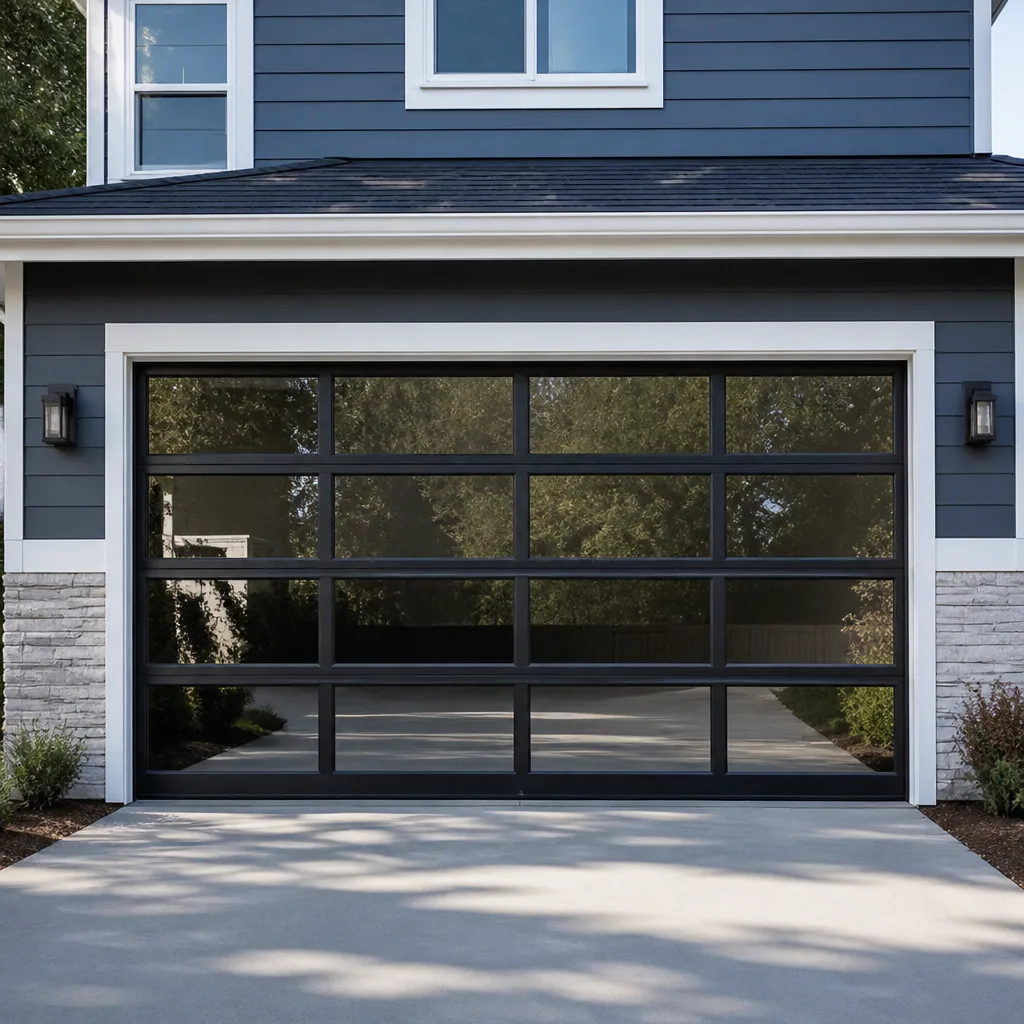 Full-view glass
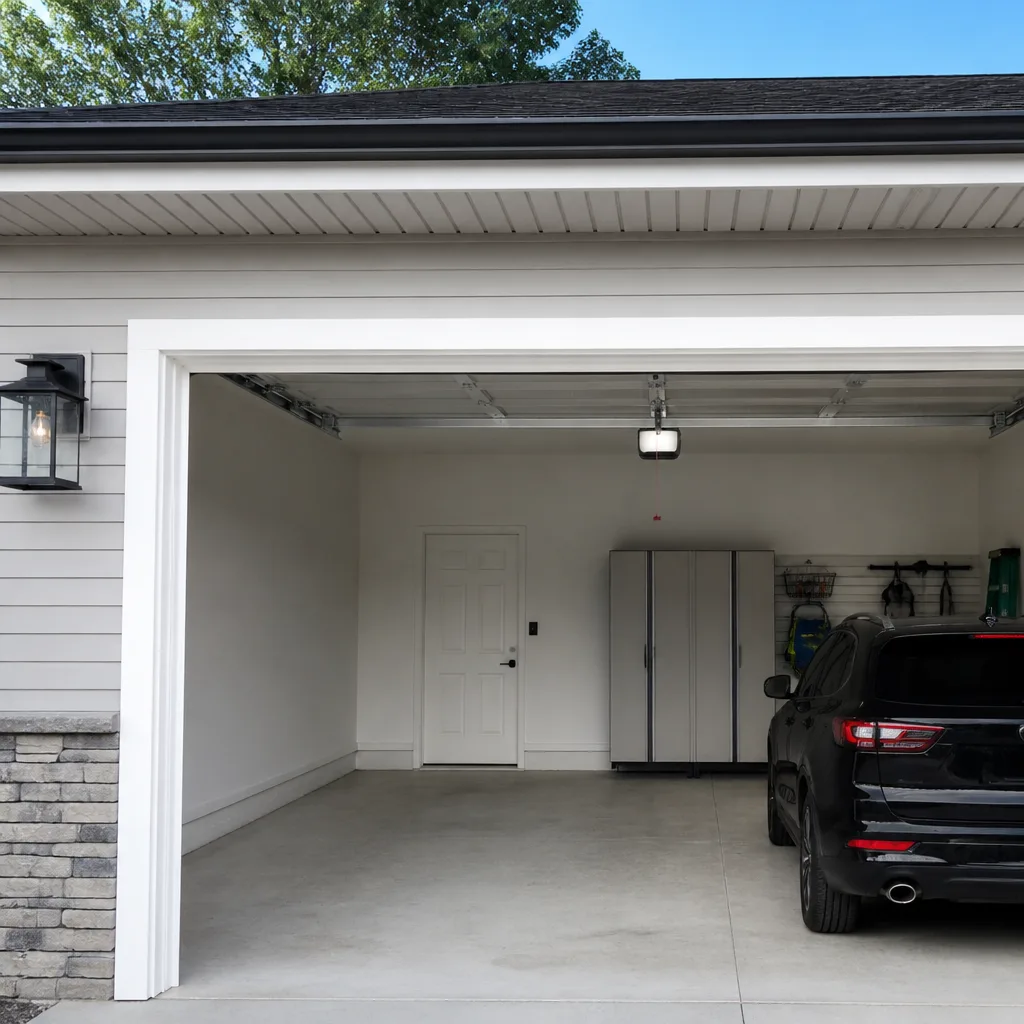 LiftMaster openers
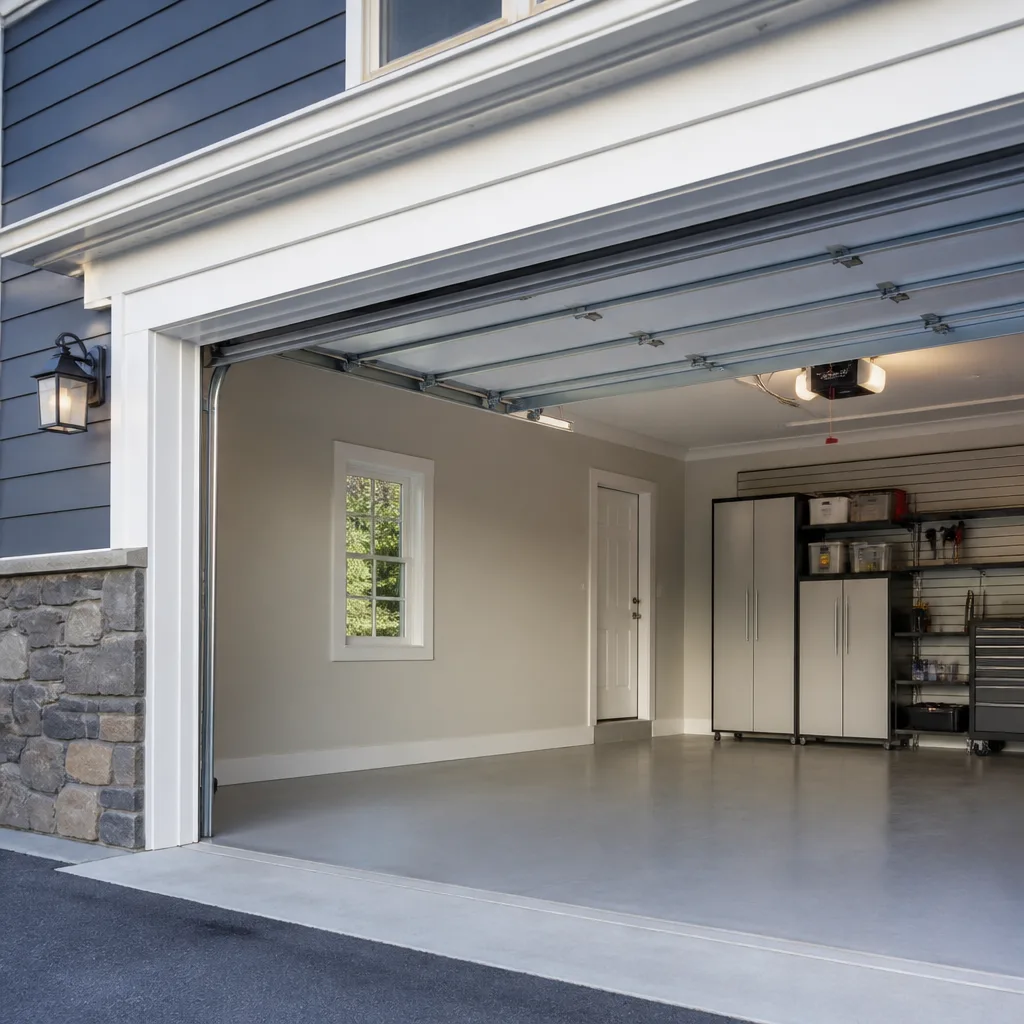 Chamberlain openers
Full 25-point door and opener safety check with every visit - springs, cables, rollers, tracks, and your LiftMaster or Chamberlain opener included
You get a price before we start. It does not change when the pro arrives.
Get your free estimateDIY vs Professional Garage Door: The Dublin Homeowner’s Decision Guide
Garage door springs are the second most common source of serious DIY home repair injuries in the U.S. Not because homeowners are careless, but because the risk isn’t intuitive until something goes wrong at speed. A torsion spring under load holds enough stored energy to break a bone or worse, and nothing in a typical toolbox tells you that. But here’s the part most guides skip: not every garage door job carries that risk. Some are genuinely safe for a careful homeowner. Others aren’t, no matter how handy you are. This guide breaks the decision down task by task, with Dublin-specific pricing, permit considerations, and the middle-ground prep work that can trim a professional bill. We’ll show you which jobs to take on and which to hand off.
Quick Answer
For Dublin homeowners, the honest split is this: sensor alignment, lubrication, weatherstripping, and visual inspections are safe to DIY, while spring replacement, cable work, and header or track mounting are not. The risk isn’t about skill level – it’s about stored mechanical energy and calibrated tension that a homeowner can’t safely control. Everything involving springs or cables should go to a trained professional, and in Dublin that call is usually worth making before you touch a wrench.
Styles & brands we work with
- Raised-panel steel
- Carriage house
- Modern flush
- Full-view glass
- LiftMaster openers
- Chamberlain openers
Table of Contents
- Why the DIY Debate Is Really About Task-Specific Risk
- What Is Genuinely Safe to DIY on a Dublin Garage Door?
- What Should Never Be a DIY Job?
- How Do DIY and Professional Costs Actually Compare in Dublin?
- Do Dublin Garage Door Repairs Require Permits and Licensed Installation?
- How Do Manufacturer Specs Tell You If a Repair Is DIY-Safe?
- What Prep Work Can Reduce Your Professional Bill?
- When to Call a Professional
Why the DIY Debate Is Really About Task-Specific Risk
Most articles frame the DIY question as cost savings versus convenience. That framing misses the point. The real variable is task-specific risk – some garage door jobs carry a risk profile closer to changing a lightbulb, and others carry a risk profile much closer to working on a loaded spring press. Treating those two categories the same way is how homeowners end up hurt or overpaying.
We’ve seen the pattern in Dublin repeatedly: a homeowner watches a video, feels confident, and starts on a task that has no room for a learning curve. The spring doesn’t care about confidence. It cares about tension and torque.
The right way to think about it is by mechanical energy. A torsion spring on a standard double door stores enough force to move hundreds of pounds. That force is released instantly if the spring slips, snaps, or unwinds incorrectly. Cables under tension behave similarly. Contrast that with a photo-eye sensor, which works on a low-voltage signal and poses no injury risk. The distinction isn’t about how much you know – it’s about whether the job can hurt you if something goes sideways at speed.
A second variable is inspection. Some garage door work is regulated, and doing it yourself can create a code problem that surfaces only when you sell the house or fail an inspection. Dublin and the surrounding Columbus-area jurisdictions fall into that category for certain work, which we cover below.
Here’s the framework in one sentence: DIY only what can’t injure you and doesn’t require a permit, and hire out everything else. The rest of this guide fills in which jobs fall into which bucket.
What Is Genuinely Safe to DIY on a Dublin Garage Door?
Several garage door maintenance tasks are safe, useful, and worth doing yourself. These are the ones we actively encourage Dublin homeowners to handle before calling anyone. They don’t require specialized tools, and a mistake won’t injure you.
Safe DIY tasks:
- Photo-eye sensor alignment. If the door reverses immediately after starting to close, the sensors are usually misaligned or dirty. Wipe the lenses and confirm both LEDs are solid. This fixes a large share of “door won’t close” complaints.
- Lubrication. A garage door needs lubrication on hinges, rollers, and the torsion bar bearings, using a garage-door-specific lubricant rather than general-purpose oil. Twice a year is a reasonable rhythm, and Dublin’s seasonal temperature swings make spring and fall good checkpoints.
- Weatherstripping replacement. The bottom seal and side jambs are low-risk components. Replacing them improves energy efficiency and keeps rain and pests out.
- Visual inspection. Look for frayed cables, worn rollers, bent tracks, or rust on the springs. You’re not fixing anything – just documenting what you see for a professional.
- Panel dent assessment. A single dented panel can often be cosmetically addressed or replaced without touching the lifting mechanism. Note whether the dent affects the panel’s seal or the door’s travel.
- Opener battery and remote pairing. If your LiftMaster or Chamberlain remote stops working, fresh batteries and a re-pairing routine are a five-minute fix.
- Track cleaning. Wiping down the tracks and removing debris prevents roller wear and is safe as long as you don’t try to bend or realign the track itself.
When in doubt, the test is simple: does the job involve a spring, a cable, the torsion bar, or the door’s mounting hardware? If yes, it isn’t on this list. If no, it probably is. For anything that involves the opener’s electrical panel or a control board swap, treat it like a wiring job and leave it to a technician.
What Should Never Be a DIY Job?
Some garage door jobs carry injury risk that makes the cost of professional service irrelevant by comparison. These are the tasks where the stored energy in the system can hurt you before you realize what’s happening.
Never-DIY tasks:
- Spring replacement. Whether torsion or extension, springs must be wound and unwound with calibrated winding bars and controlled tension. A slip can cause serious injury to hands, arms, and face. This is the single most dangerous garage door repair, and it’s why garage door spring repair is a named professional service rather than a homeowner task.
- Cable work. Cables are under extreme tension and can snap with little warning. A snapped cable is not a repair you want happening near your hands.
- Header mounting and track realignment. Mounting the header bracket or realigning a bent track requires understanding the door’s balance geometry. Get it wrong and the door can come off its tracks.
- Opener replacement or control board swap. Electrical work inside the opener housing is a shock hazard if the unit isn’t properly isolated. This falls under garage door opener repair for good reason.
- Anything the door’s manufacturer explicitly prohibits. Some installers and brands void the warranty on homeowner-performed spring or cable work. Check your documentation before you touch anything.
We’ve seen the aftermath of DIY spring attempts in Dublin – it’s one of the reasons we treat spring work as a specialized service rather than a general repair. When a wound spring lets go, the injury is rarely minor. A trained professional brings the right winding bars, the correct spring size for your door’s weight, and the experience to know when a spring needs replacing versus re-tensioning.
If your door is stuck mid-position or one side has dropped, don’t test it. Call before you touch.
How Do DIY and Professional Costs Actually Compare in Dublin?
The real DIY-versus-professional cost comparison is more nuanced than labor saved. Most homeowners only count the part price and forget the tool cost, the retail markup, and the risk of a service call to fix a DIY attempt. When you add those up honestly, professional service often lands closer than expected.
What a Dublin homeowner actually spends on the DIY side:
- Tools. For spring work, proper winding bars alone cost more than the spring itself. A torque wrench, correct sockets, and safety glasses add to the total.
- Parts at retail markup. Springs, rollers, and openers bought from a general hardware store typically cost more than trade pricing a professional can access.
- The cost of a failed attempt. If the door ends up worse than you started, the professional service call now includes untangling the DIY attempt – sometimes a longer, more expensive visit than a clean repair.
- Your weekend. A handyman’s hour and a spring replacement are not the same amount of time.
Typical professional estimate ranges in the Dublin market for common jobs:
- Single-car door, standard repair: varies by job; the written estimate sets the final price.
- Torsion spring replacement, one spring: matched pairs are usually replaced together, so a pair costs about twice the single-spring estimate.
- Opener replacement (LiftMaster, Chamberlain, Craftsman, Raynor, and similar): varies by opener model and door weight.
- Panel replacement: depends on door model and color match availability.
- Full new-door installation: depends on door size, material, and opener choice.
What you don’t pay for on the professional side is a service call to undo a mistake. The written estimate sets your cost before any work begins, and the price you agree to is the price you pay. If a quote comes in higher than you’d hoped, ask what’s driving it – a good technician will break it down rather than push a bigger job. For most Dublin springs and cable jobs, the safety math is more decisive than the cost math.
The middle ground matters too. Tasks like sensor alignment, weatherstripping, and lubrication are worth doing yourself. That’s where real savings live. Spring and cable work is where the DIY math stops working.
Do Dublin Garage Door Repairs Require Permits and Licensed Installation?
Some garage door work is regulated in Dublin and the surrounding Columbus area, and DIY installation may fail inspection regardless of skill level. For door replacement and full installation, the safest rule is to check with the city’s building department before work starts. Repairs that don’t change structure – spring swaps, opener repair, sensor fixes – are generally not permit items, but new-door installation and any work that touches the header or framing can be.
What typically triggers a permit:
- Full door replacement where the opening or structural attachment changes.
- New construction or remodel work where the garage door is part of a larger scope.
- Opener installation requiring new electrical circuits.
Why this matters for the DIY question: even a job you can physically complete may not pass the inspection the city requires to sign off. That’s the code violation risk – not that the door falls down, but that the work fails an official review later. When selling a Dublin home, an unpermitted garage door install can delay closing or cost you in negotiation.
If you’re planning installation or a door replacement, ask the city’s building department what applies to your address before you commit. And if you’re hiring, confirm the local pro is licensed and insured as the state requires – that’s what makes the permit path clean for all involved. On a full installation, we schedule a free measure and a written price rather than promising same-day service, because doors have to be ordered and fitted to the opening correctly.
Full-spectrum expertise under one roof – Dublin Garage Door Repair Pros – means you don’t hand off from a permit-handling installer to a spring technician halfway through. For a Dublin install, that single-specialist model is the difference between one coordinator and a game of telephone.
How Do Manufacturer Specs Tell You If a Repair Is DIY-Safe?
Your garage door’s manual and the opener’s documentation are more useful than most homeowners realize. Manufacturer specs tell you the door’s weight rating, the intended spring size, the opener’s torque requirements, and – critically – which components the manufacturer expects to be serviced only with calibrated tools. Reading those specs is the most reliable way to tell if a repair is in DIY scope.
What to look for in your documentation:
- Spring identification. The wire diameter and length on the original spring, matched against the door weight, tells you the correct replacement. A professional will confirm the size rather than guess.
- Winding and torque specifications. If the documentation specifies calibrated torque or wind counts for the spring, that’s a signal the job needs professional tools and a trained hand.
- Opener model and pairing. LiftMaster, Chamberlain, Craftsman, and Raynor models each have different pairing protocols and control board layouts. Knowing your exact model speeds up diagnosis and tells you whether a repair is remote, sensor, or board level.
- Warranty language. Many manufacturers void the warranty on homeowner-performed spring or cable work. That’s a clear boundary.
If you don’t have the manual, the model number is stamped on most garage door openers and on the door’s end stile or inside panel. Photograph it before you call so a technician can pull the right specs. That single step can reduce a diagnostic visit and gets you an accurate estimate faster.
The point isn’t to become an expert on torque values. The point is to recognize when the manufacturer is telling you the job needs calibrated tools – and to respect that line. When the documentation calls for a torque wrench and winding bars you don’t own, that’s your answer: this is a garage door repair for a technician, not a homeowner project.
What Prep Work Can Reduce Your Professional Bill?
The middle path is real, and it’s how a smart Dublin homeowner can save money without risking injury. Some jobs require a professional, but not every minute of the visit has to be billed. Any prep you do earns the technician time on the tasks that actually need a trained hand.
Legitimate prep work that reduces billable labor:
- Remove old weatherstripping. Pull the bottom seal and side jambs off before the visit. It’s low-risk and saves fitting time.
- Clean the tracks. Wipe out debris and old grease so the technician can inspect rollers and hinges without digging through grime.
- Document the opener model. Note the make, model, and any symptoms – the more precise, the faster the diagnosis. “Chamberlain opener, model [number], reverses before closing” is a better call than “garage door won’t close.”
- Clear access. Move the car, tools, and clutter out of the garage bay. A clear workspace saves real minutes.
- Note the symptoms in sequence. When did the problem start? Is it intermittent? Does it happen only in cold weather? A short written list helps the technician target the fix.
What not to do: don’t loosen, bend, or remove any component you’re not sure about. Don’t try to lift a door that’s disconnected from the opener. Don’t attempt to “help” a spring by hand. The prep list stays in the safe-DIY category – the moment you touch the lifting mechanism, you’ve crossed the line and possibly made the job longer.
Dublin homes often have double-car doors that need two technicians or an extra hour if the torsion bar or hinges are frozen. Good prep work helps the technician use that time on the actual repair. Free estimates mean you can plan the visit and know the cost before anyone arrives; the written quote covers both the parts and the labor, and it’s agreed before work starts.
Common Mistakes to Avoid
- Attempting a torsion spring replacement without winding bars and a backup plan. The usual failure mode is a slip during winding, and the injury happens in less than a second. If you don’t own the tool, you don’t own the job.
- Buying a replacement spring by eye. Springs have wire diameter, length, and inner-dimension specs that must match the door’s weight. A mismatched spring will fail early or leave the door unbalanced.
- Assuming sensor alignment is the only reason a door reverses. Track bends, roller wear, and opener logic can all cause the same symptom. If alignment doesn’t fix it, stop troubleshooting at the control board.
- Using WD-40 or general oil on hinges and rollers. Light oils attract dust and dry out. A garage-door-specific lubricant lasts longer and keeps the tracks cleaner.
- Ignoring Dublin permit requirements while planning a door replacement. Check with the city’s building department on whether the work needs a permit before you order the door. The inspection can delay closing on a future sale.
- Letting a DIY attempt go wrong and then hiding the damage. If you’ve bent a track, stripped a hinge, or disturbed a spring, tell the technician when you call. It changes the visit scope but it gets you the right fix faster.
- Choosing the fastest upsell over the right fix. A brand-agnostic specialist will match the repair to your door’s model and budget rather than default to a new opener or new door. If a quote leads with replacement on a repairable issue, ask why.
See the difference
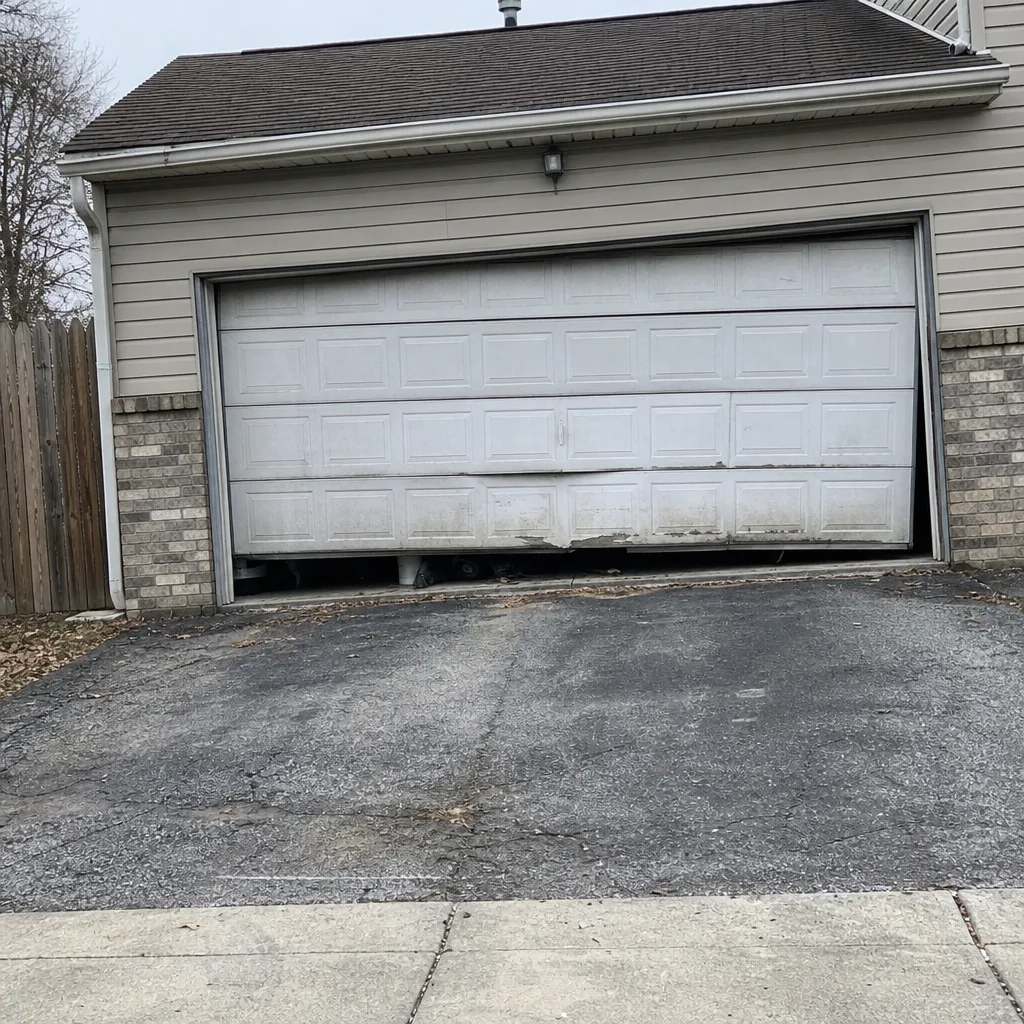 Before
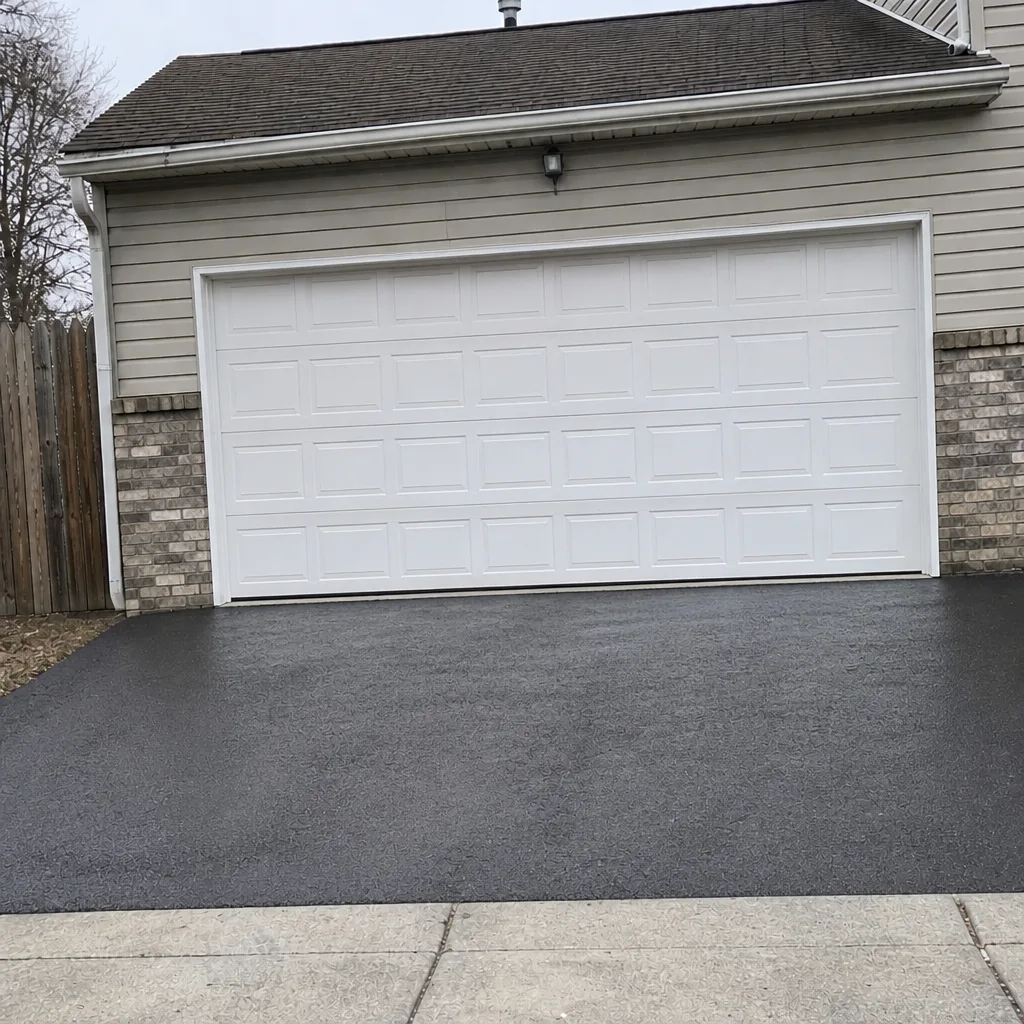 After
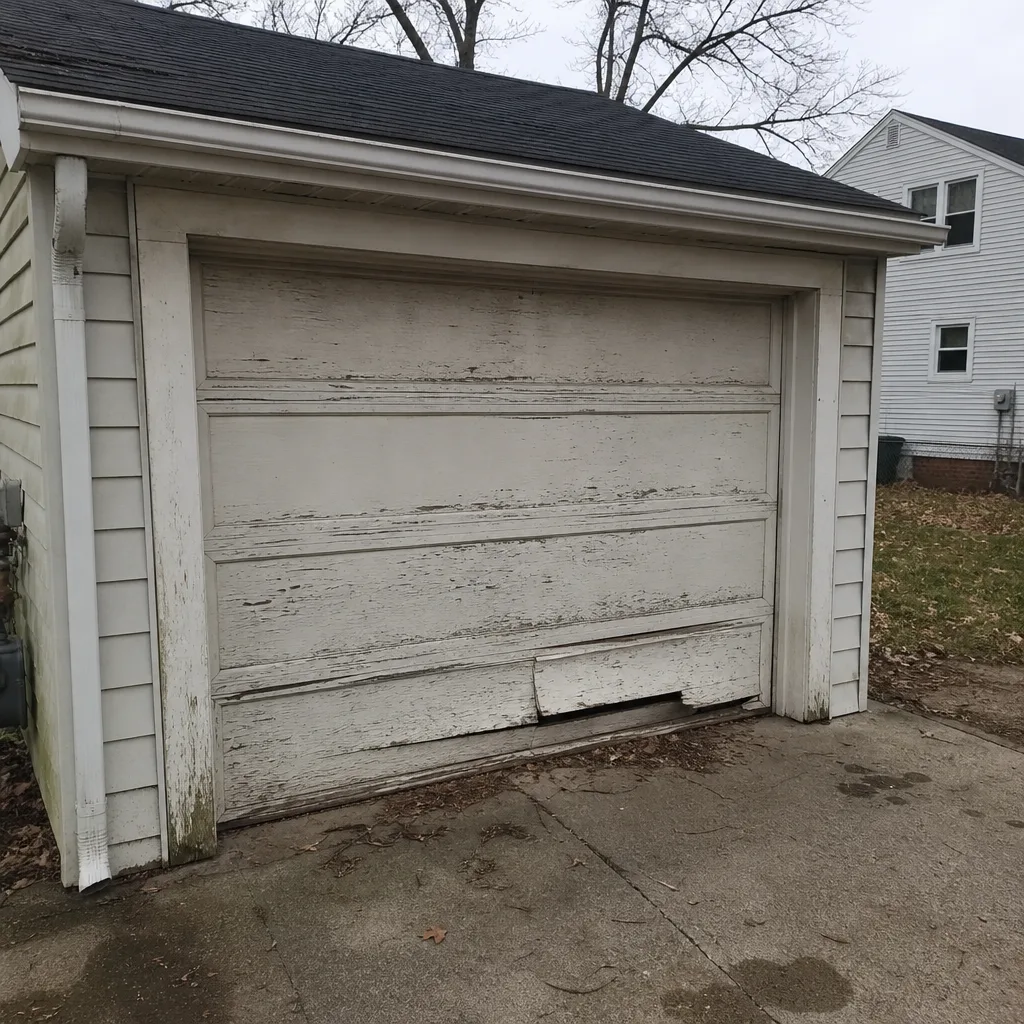 Before
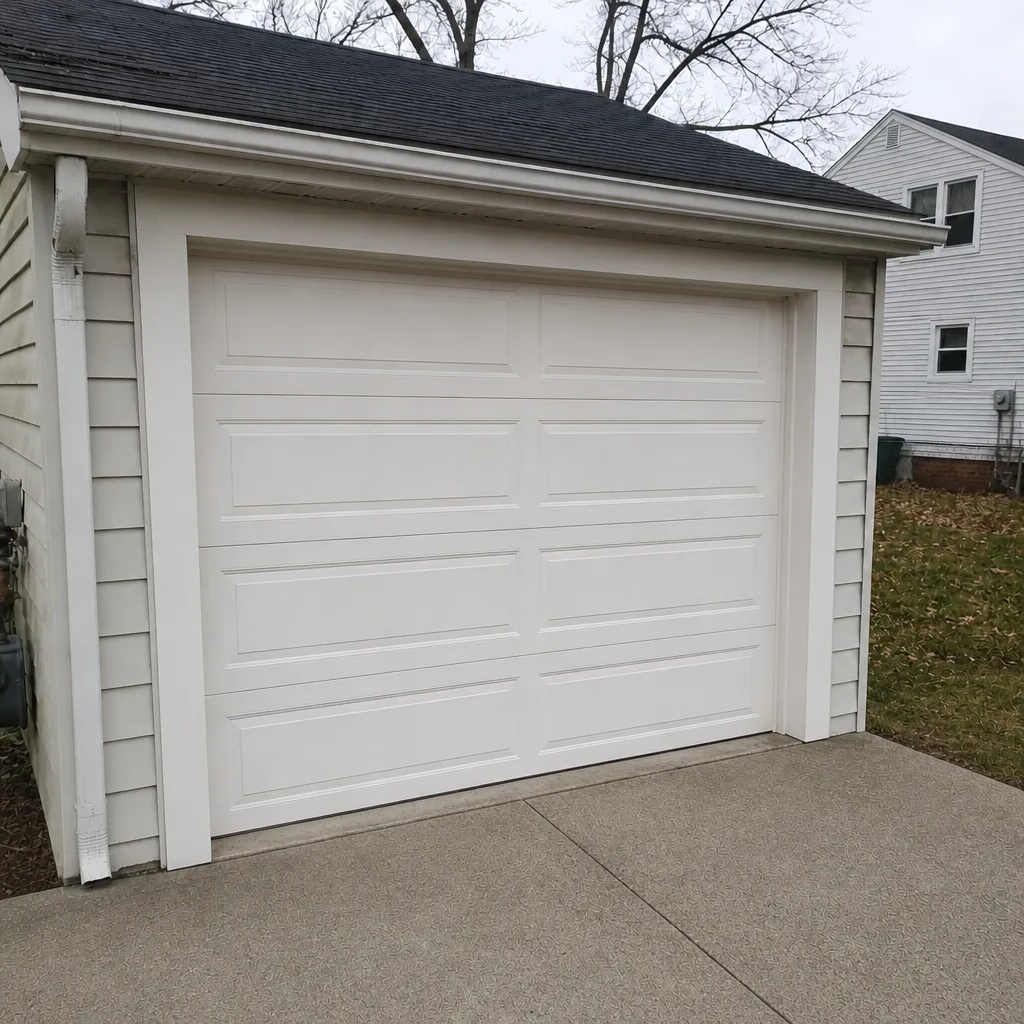 After
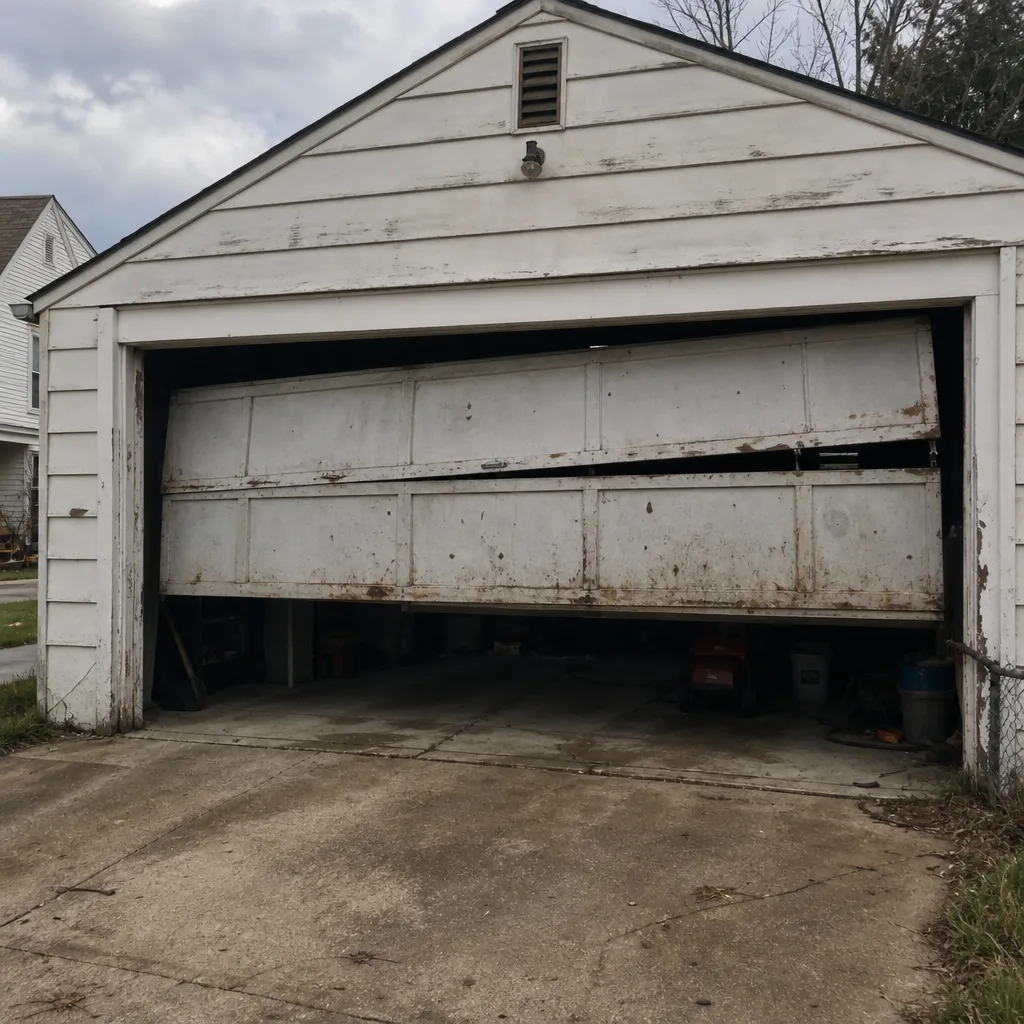 Before
 After
When to Call a Professional
Call a professional for anything involving the spring, the cables, the torsion bar, or the door’s mounting hardware. Also call if your door has dropped on one side, is stuck mid-travel, makes a sharp popping sound, or shows a visibly frayed cable. Opener control board swaps and electrical panel work fall in the same bucket. If your inspection is due and you’re not sure whether previous work qualifies, a professional assessment is worth the visit before the city reviewer shows up.
The tasks in the safe-DIY list – sensors, lubrication, weatherstripping, basic visual checks – stay with you. Everything else gets a trained hand. When your door won’t move, the call gets it moving. Dublin Garage Door Repair Pros offers free estimates in Dublin – call (866) 657-1992. We work on your brand, whether that’s a Craftsman opener, a Raynor door, or a newer LiftMaster. Springs, openers, panels, and full installs – one call covers it all. Our technicians have up to 8 years of experience, and the local pro is licensed and insured as the state requires.
Frequently Asked Questions
No. Torsion and extension springs store enough energy to cause serious injury the moment tension is released incorrectly, and no homeowner should attempt a spring swap without winding bars, calibration, and training. This is the single most dangerous garage door task. Call (866) 657-1992 for an exact quote – estimates are free.
Spring repair pricing varies by door size, spring type, and whether a matched pair is replaced together (a pair costs about twice a single-spring estimate). The written estimate sets the final price, and the price is agreed before work starts. Call (866) 657-1992 for an exact quote – estimates are free.
Emergency garage door response is a core service, not an upsell. If your door won’t close or won’t open, call and we’ll assess what can be done the same day – the local pro will confirm timing on the call. Call (866) 657-1992 for an exact quote – estimates are free.
No. We quote before the work and agree on the price up front, and the written estimate is the number you pay. If we find something unexpected mid-job, we stop and explain it before continuing. Call (866) 657-1992 for an exact quote – estimates are free.
It depends on the scope. Door replacements and installs that change the opening or header typically require a permit; simple spring swaps or opener repairs usually don’t. Ask the city’s building department about your specific address before work begins. Call (866) 657-1992 for an exact quote – estimates are free.
The local pro we connect you with is licensed and insured as the state requires. We keep the standard visible on every Dublin job so the permit path stays clean if your work needs inspection. Call (866) 657-1992 for an exact quote – estimates are free.
The Bottom Line
DIY versus professional isn’t a cost argument – it’s a risk argument, task by task. Sensor alignment, lubrication, weatherstripping, and visual checks are safe and worth doing. Springs, cables, header mounting, and opener electrical work are not, regardless of how skilled you are. In Dublin, permits and inspection add another reason to hand off bigger jobs. Prep work is the legitimate middle path – clean tracks, remove weatherstripping, document your model – and it earns real savings without risk. The right fix beats the fastest upsell every time, and one specialist who handles your brand end to end beats a chain of hand-offs. When in doubt, get a written estimate before you decide.
If you’re ready to move from decision to done, call Dublin Garage Door Repair Pros at (866) 657-1992 for a free estimate. We work on your brand, quote before we start, and keep the price we agree to. Garage doors are all we do in Dublin, and we’re set up to help whether you need a spring, an opener, a panel, or a full install.
Written by the team at Dublin Garage Door Repair Pros.